
Short answer: A Las Vegas restaurant buildout needs two schedules: the work inside the space and the full path to opening. Design decisions, agency reviews, equipment deliveries and required approvals can extend beyond active construction. A useful forecast identifies the starting condition, names the prerequisites for each milestone and shows which tasks can overlap. The comparison and example below help you evaluate a proposed schedule without mistaking another restaurant's construction duration for your own opening deadline.
For the construction scope behind that schedule, see Big Horn Remodeling's restaurant remodeling and buildout services.
How long should you allow for your restaurant project?
Start with what must change, rather than square footage alone. A limited dining-room update and a former office becoming a restaurant have different dependencies. A second-generation space offers a potential head start only when the retained systems fit the proposed operation and can actually be used.
| Starting condition | What could shorten fieldwork | What still controls elapsed time |
|---|---|---|
| Limited restaurant remodel | Most kitchen systems and layout remain. | Work-area access, selected finishes and any applicable review or inspections. |
| Second-generation restaurant | Accepted existing infrastructure serves the new concept. | Verification, equipment compatibility, changes and the new operator's approval path. |
| Nonrestaurant conversion or shell | Only specifically verified building systems are retained. | Coordinated design, new food-service infrastructure, deliveries and required approvals. |
Build the schedule around milestones, not one completion date
A target date expresses what the owner wants. A forecast explains what the available evidence supports. Use release conditions to connect the two: each milestone needs a responsible person, a prerequisite and a record showing that the next activity can proceed. The following is a planning framework, not an agency checklist or universal approval sequence.
| Milestone / lead | Prerequisite and readiness evidence | Overlap / release blocker |
|---|---|---|
| Design-ready / Owner + designer | Opening concept and existing-condition questions resolved enough for coordinated design. | Vendor inquiries can begin; an undecided cooking line blocks affected design. |
| Submission-ready / Design team | Coordinated project documents ready for the applicable review. | Pricing can develop; incompatible equipment information blocks completion. |
| Purchase-ready / Owner + vendor + designer | Selected model, accepted design basis and written release instruction. | Purchasing may overlap review if risk is accepted; unresolved selection blocks fabrication. |
| Construction-ready / GC + owner | Required authorization, current documents, site access and relevant materials confirmed. | Independent purchasing continues; missing authorization blocks affected fieldwork. |
| Closure-ready / GC + trades | Applicable rough-work inspections resolved before affected work is concealed. | Unrelated areas may progress; corrections block closure in the affected area. |
| Testing-ready / Trades + vendors | Equipment connected, necessary utilities available and startup personnel arranged. | Unrelated punch work may continue; missing power or controls blocks testing. |
| Opening-ready / Owner + project team | Required project approvals and operating permissions obtained; owner readiness confirmed. | Some preparation can overlap earlier work; unresolved permissions block operation. |
Design and equipment decisions have needed-by dates
Put a decision deadline beside each item that affects another trade. Selecting an appliance after rough-in may require a changed connection, revised documentation or a return visit. The schedule should show when the model must be settled, not merely when the owner hopes to buy it. Include landlord or franchise review where the project requires it.
When a choice remains unresolved, identify the affected work and keep the assumption visible. Releasing every trade around a placeholder can turn one late decision into several interrupted activities. A decision log should distinguish a request sent to the owner from an answer actually received.
Reviews, corrections and purchasing follow different clocks
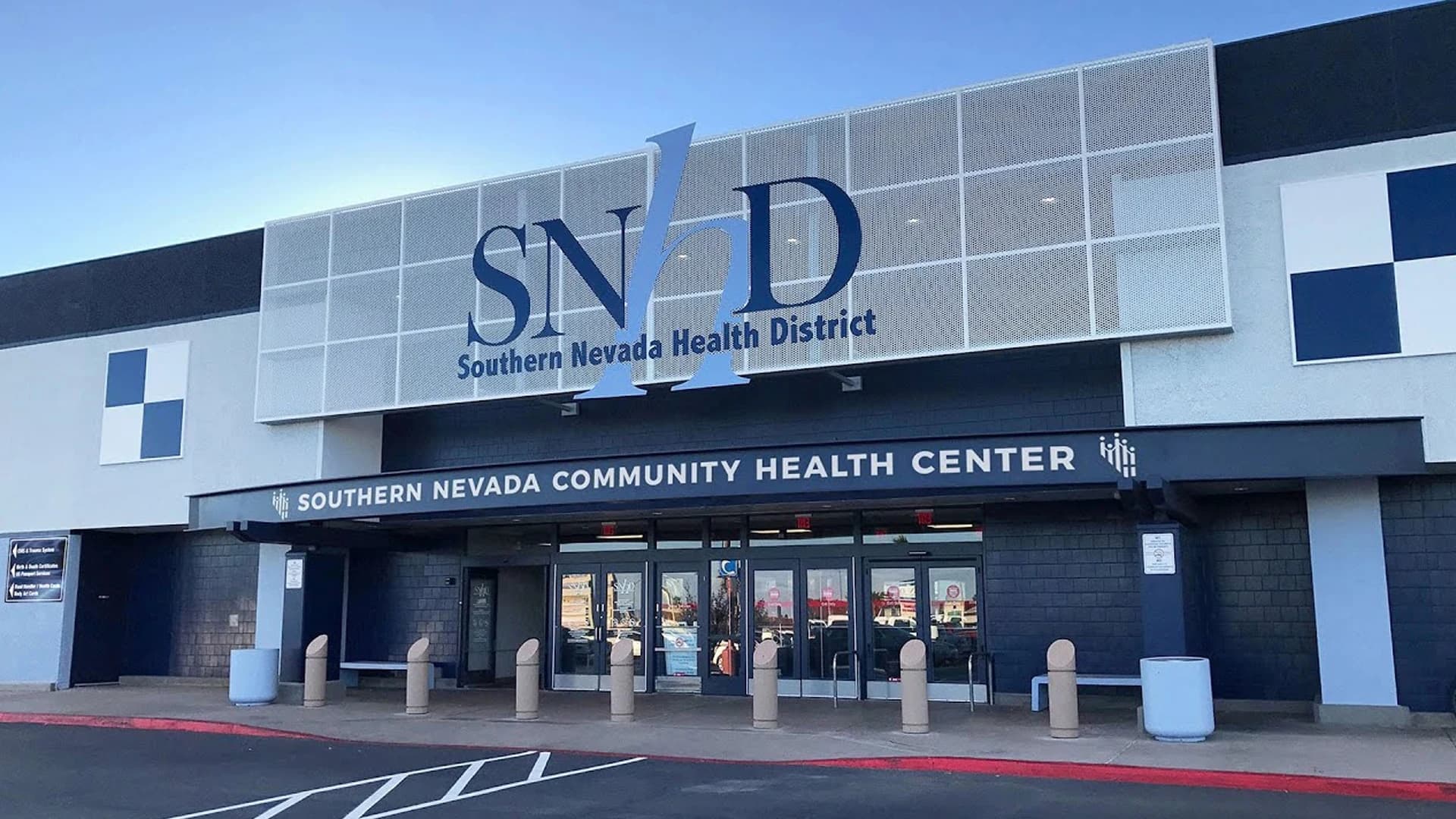
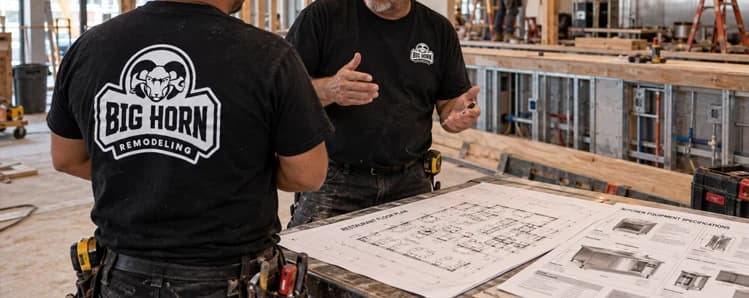
SNHD's Plan Review program states that applications are processed in receipt order. A submission date therefore does not establish an approval date. Separate agency review time from the time the project team needs to answer comments. Use the restaurant permits and SNHD guide for application preparation and procedures.
Construction has hold points before finishes
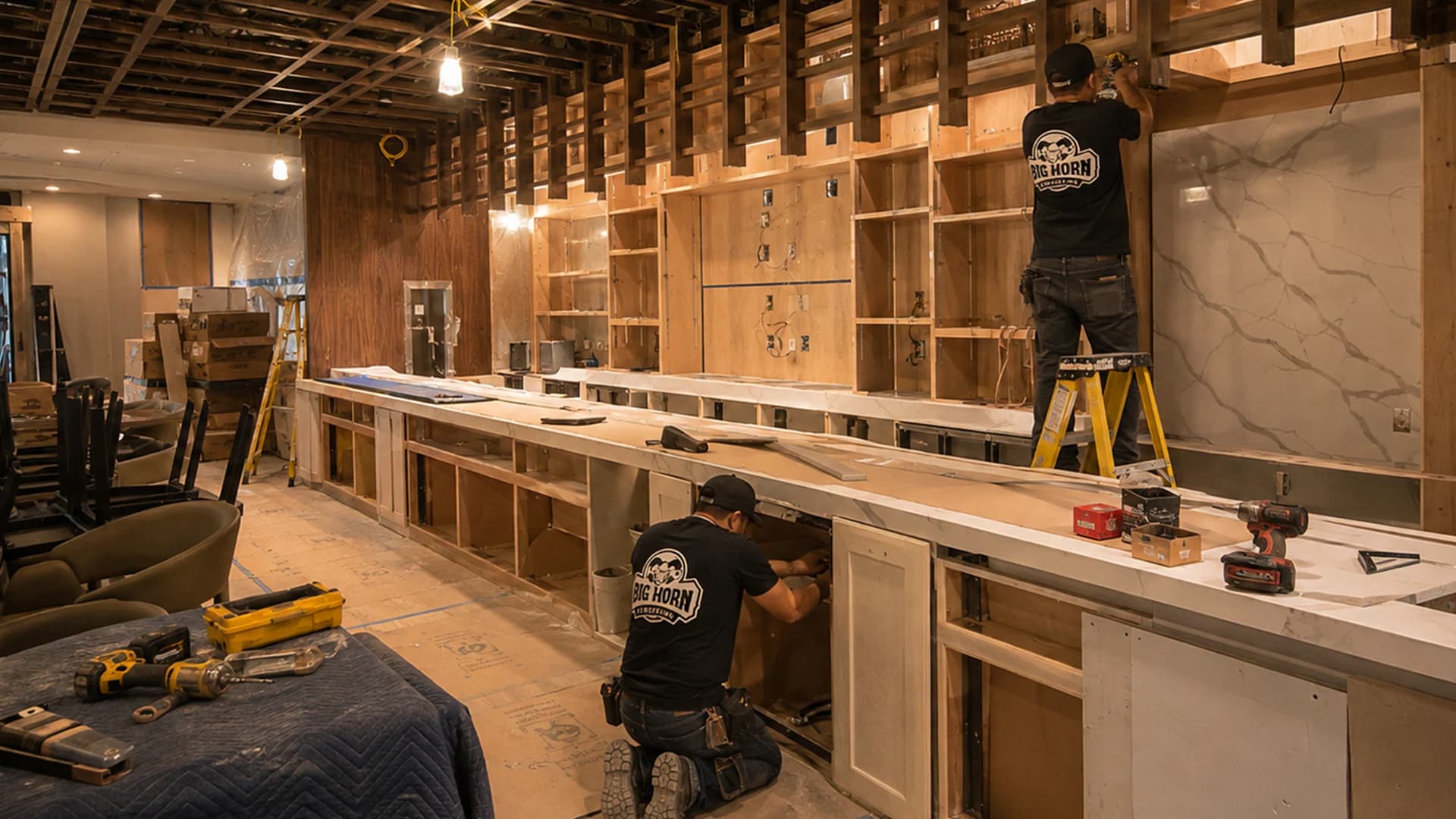
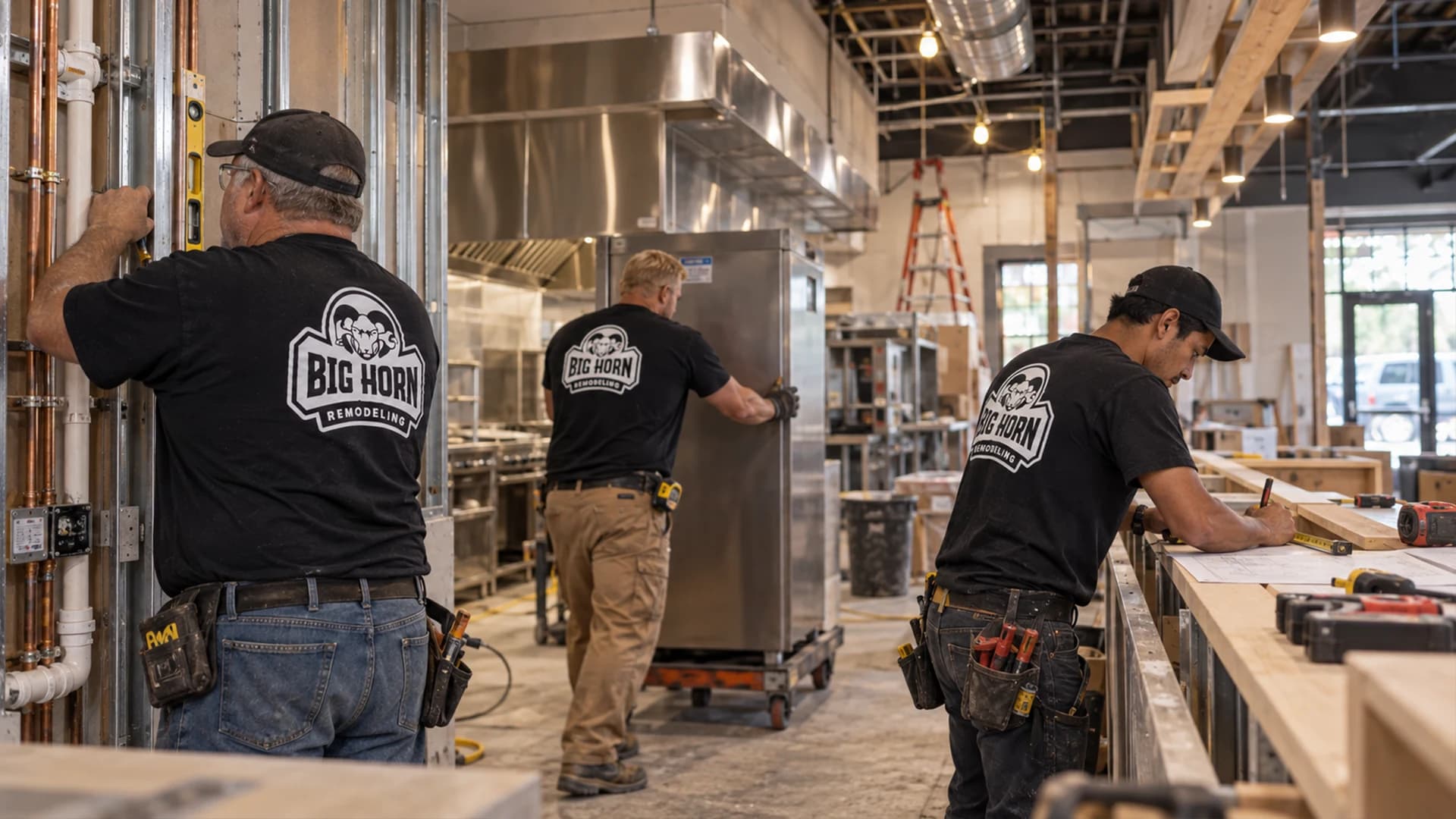
A representative field sequence moves from authorized demolition and underground work through rough trades, applicable inspections, finishes, equipment connections and testing. The approved scope determines the actual sequence. Before promising a wall or ceiling closure date, identify the work that must be inspected and who resolves any correction. Keep unrelated work moving only where access and approvals permit.
An illustrative schedule: why overlapping weeks are not added
This hypothetical example demonstrates scheduling arithmetic, not typical Las Vegas durations. Week numbers mark elapsed calendar weeks from design authorization. Assume a defined restaurant scope, an accepted equipment release after design, adequate existing utility service, no redesign and all required reviews resolved at week 8. Procurement does not authorize fieldwork.
| Activity | Elapsed weeks | Dependency |
|---|---|---|
| Coordinated design | 0–3 | Starts at owner authorization with required inputs available. |
| Reviews and responses | 3–8 | Starts after the coordinated submission. |
| Selected equipment procurement | 3–11 | Starts after accepted purchase release; independent of fieldwork. |
| Authorized rough work and finishes | 8–14 | Requires approvals; includes applicable intermediate inspections. |
| Equipment installation and testing | 14–16 | Requires both field readiness and equipment delivery. |
| Final approvals and handoff | 16–18 | Requires completed testing and actual approval outcomes. |
An 18-week overlap model
Elapsed calendar weeks from design authorization
Coordinated design
Weeks 0–3
Reviews and responses
Weeks 3–8
Selected equipment procurement
Weeks 3–11
Authorized rough work and finishes
Weeks 8–14
Equipment installation and testing
Weeks 14–16
Final approvals and handoff
Weeks 16–18
Adding the activity durations gives 26 weeks, but the modeled path is 18 elapsed weeks because procurement overlaps reviews and fieldwork. The controlling chain is design, reviews, fieldwork, equipment installation/testing, then finals. Delivery at week 11 has three weeks of allowance before the week-14 installation start.
The example stops at the assumed final-approval and handoff milestone. Lease negotiations, financing, a new utility service, liquor licensing, hiring, training and launch arrangements are excluded. The operator must separately confirm those tasks before treating the modeled finish as an opening date.
Use the coordinated plan and equipment information to check the next handoff. An unresolved model, connection or access question belongs on the schedule before dependent work is released.
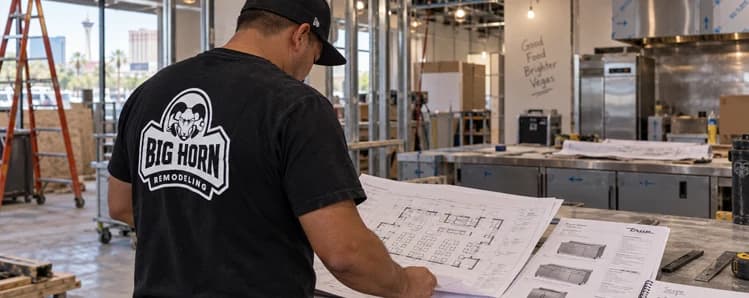
What can delay a Las Vegas restaurant opening?
Track the activity a problem blocks. A late decorative item and a missing utility connection may arrive on the same day, but they need not have the same effect on opening.
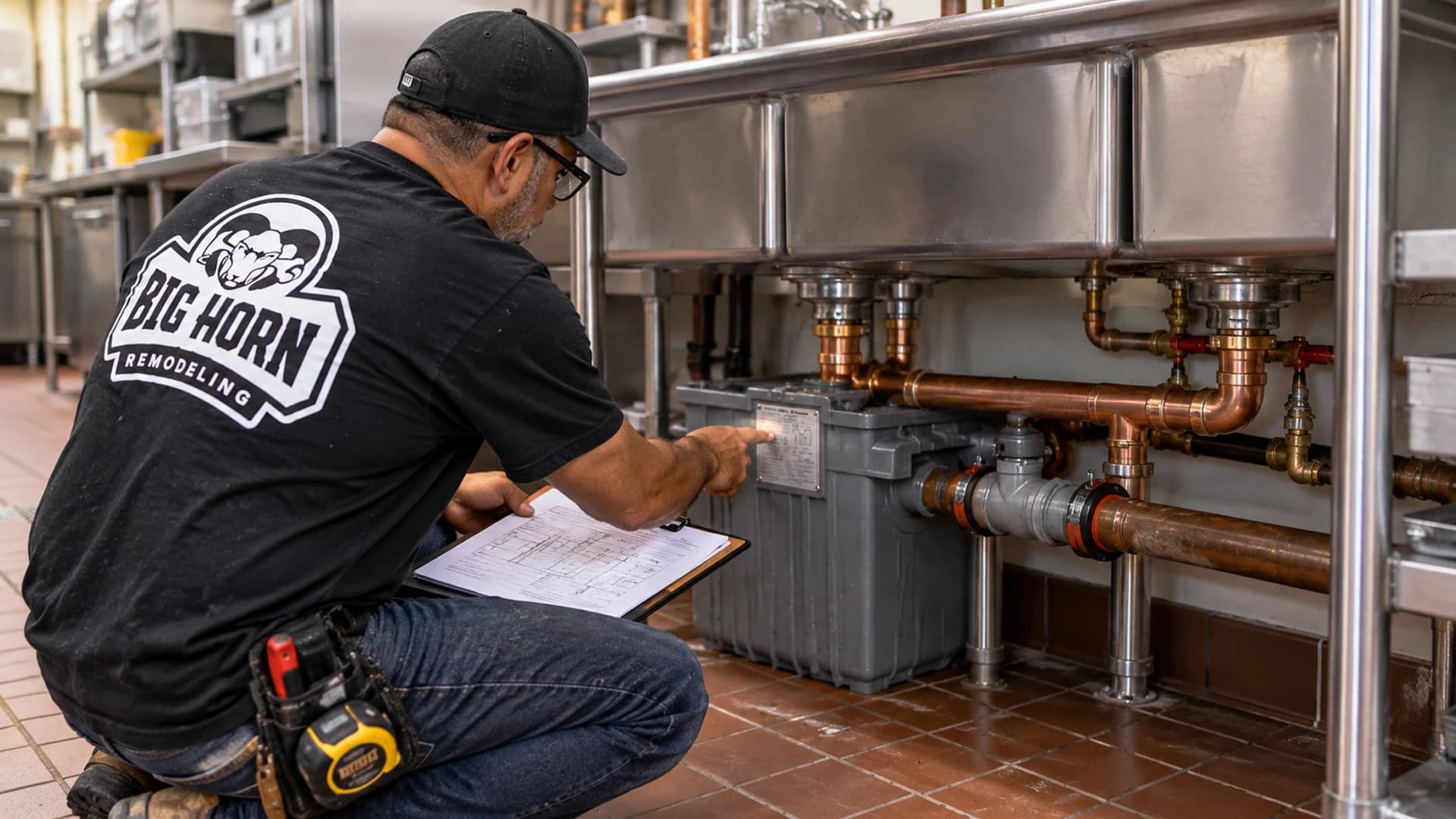
- Unverified infrastructure: A proposed reuse assumption fails, blocking the affected design or rough work. The designer and qualified trades should resolve the assumption before dependent work is released. For system-specific evaluation, use the restaurant grease-interceptor planning guide; here, the scheduling issue is when that answer is needed.
- Unresolved roof access or routing: A hood-related installation cannot proceed as planned. Have the design team, landlord and relevant trades settle the route and access window before fabrication or mobilization depends on it. A roof-access request is not the same as confirmed permission.
- Utility service not ready: Equipment may be installed but unavailable for testing. NV Energy's new-service process includes design, inspection, scheduling, construction and meter-set stages. Where service work is needed, obtain a project-specific utility status and required actions; do not infer energization from an interior construction finish date.
- Procurement or delivery mismatch: Equipment is ordered but its approved configuration, shipment or unloading arrangement remains unresolved. The purchasing party should obtain dated vendor confirmation and a delivery plan. Track required-on-site dates separately from quoted ship dates, and check who receives and protects the equipment.
- Late changes or missing access: A substitution, shutdown restriction or unavailable work area blocks the next trade. Record the owner's decision, required review and rescheduling consequence before treating the change as approved. An operating restaurant may need a different work window; do not assume continued service is permitted.
- Unresolved scope authorization: Purchasing or fieldwork waits while the parties settle what is included. Keep that decision on the schedule with a named owner. Use the restaurant buildout cost guide for budget and proposal comparisons; the time issue is the release deadline.
A local lesson from the Jimmy John's conversion
Big Horn's dental-office-to-Jimmy John's case study reports approximately three months of active construction and roughly three weeks of precast interceptor fabrication and lead time. The scheduling lesson is to connect a delivery to the activities waiting for it. Purchasing, site readiness and later finishes need a coordinated sequence. Those durations describe that project; they do not establish its entire planning-to-opening interval or predict another restaurant's schedule. Nor should the fabrication time simply be added to the construction total, because the case does not identify those periods as separate, consecutive blocks.
Construction complete is not the same as opening-ready
Reserve time for system startup, corrections and the approvals applicable to the project. SNHD's final permitting inspection guidance calls for operational utilities and applicable agency approvals among its readiness conditions. Finish installation alone cannot establish readiness for that inspection.
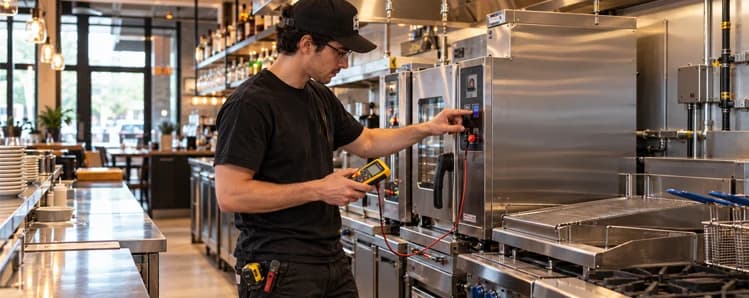
Avoid putting every final appointment on one assumed day. Clark County's inspection guidance explains that clearance requirements are permit-specific and some inspection options depend on prerequisites. Confirm the actual handoffs with the agencies serving the address. Neither an appointment request nor a passed individual inspection proves all opening conditions are complete.
Keep owner licensing and operating preparation visible alongside construction. The City of Las Vegas business-license guide begins with address-based jurisdiction verification and checking the proposed use and occupancy. Apply the appropriate local authority's process, rather than assuming that a Las Vegas mailing address establishes jurisdiction. The owner should confirm permission to operate before customer service begins.
Protect the opening date with a weekly decision log
Work backward from the target opening to the required approvals, testing, equipment arrival and decisions that support them. Then check the sequence forward using current evidence. Identify time reserved for specific unresolved risks instead of adding a hidden blanket buffer. Assign an owner to each open issue and update the forecast when its consequence becomes known.
| Unresolved item / owner | Needed by / blocked task | Evidence / next action |
|---|---|---|
| Equipment model / operator + vendor | Before affected design and purchase release. | Final cut sheet; obtain coordinated acceptance. |
| Service readiness / utility coordinator + electrical team | Before powered testing. | Utility status and required releases; confirm remaining actions. |
| Delivery access / GC + property manager | Before committing the delivery slot. | Accepted access window; coordinate receiving and unloading. |
| Startup booking / vendor + GC | Before requesting dependent finals. | Confirmed technician and ready systems; complete testing. |
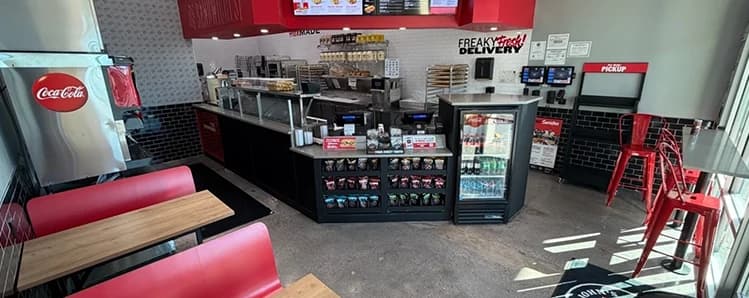
The completed dining and service areas at Big Horn's Jimmy John's conversion in Las Vegas bring the planning questions into focus: equipment, utilities, finishes and access must come together before handoff. Use the weekly log to give each remaining dependency an owner, a needed-by date and evidence of completion.

Which unresolved item now controls the next milestone?
Ask one question at the weekly meeting: which unresolved item now controls the next milestone? Report the original target, current forecast and reason for any change separately. This makes a slipping decision visible before it becomes an unexplained opening delay.
Discuss the schedule for your restaurant
Send Big Horn Remodeling the address and suite, starting condition, approximate scope, current plan and approval status, equipment information and target opening date. We can discuss the construction dependencies that need to be resolved for your project. Visit our restaurant and bar buildout services to start the conversation.