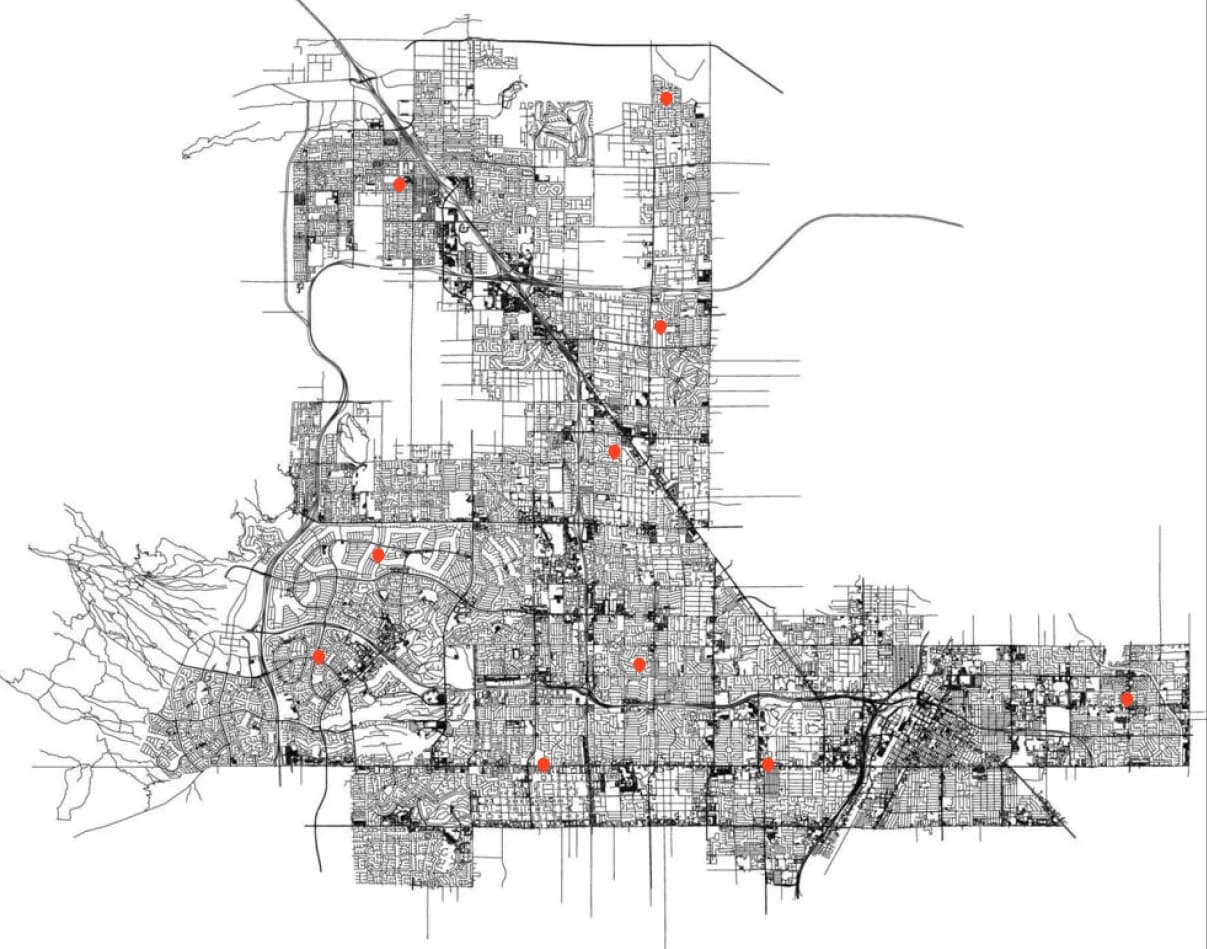
Business Hours
- Mon-Fri: 7:00 AM - 7:00 PM
- Sat: 8:00 AM - 7:00 PM
- Sun: 8:00 AM - 6:00 PM
You can still text outside business hours and receive a prompt reply
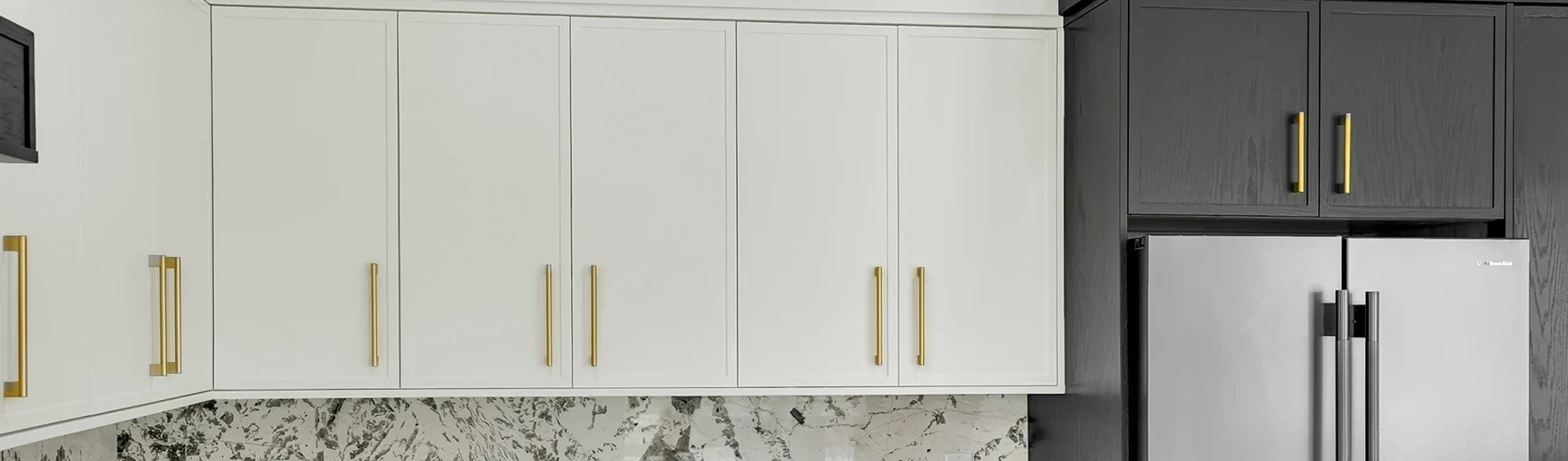
Big Horn Remodeling provides kitchen cabinet installation, cabinet replacement, and custom cabinet planning throughout Las Vegas, Henderson, Summerlin, North Las Vegas, Centennial Hills, and Clark County. As a licensed Nevada B-2 general contractor, we coordinate cabinets with the kitchen conditions that affect fit, function, timeline, and long-term performance.
Need clear direction before cabinets are ordered?
Click here and get a free estimate
Kitchen cabinets are one of the most important decisions in a kitchen project because they affect storage, workflow, cost, timeline, and how every other finish comes together. A cabinet layout is not just a design choice. It controls where the sink lands, how appliances fit, where outlets and under-cabinet lighting belong, how the countertop is templated, how the backsplash terminates, and whether the kitchen functions correctly after the project is complete. If your project is focused on cabinet installation, cabinet replacement, cabinet refacing, custom cabinets, semi-custom cabinets, or stock cabinet installation, we help verify the layout, cabinet boxes, walls, appliance openings, sink base, fillers, panels, trim, and countertop conditions before work starts. If the project also changes plumbing, electrical, flooring, walls, lighting, appliances, or the kitchen layout, we will review whether it should be handled as a full kitchen remodel instead.

Ask for Nathan
You can still text outside business hours and receive a prompt reply
Choose your preferred channel for project questions, photos, scope notes, scheduling, and faster day-to-day communication updates.

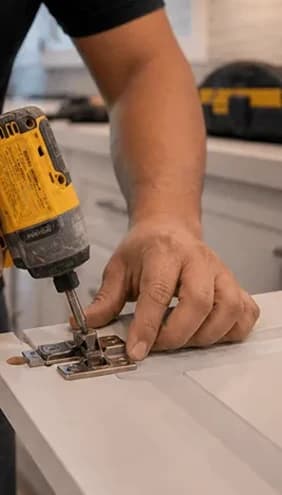

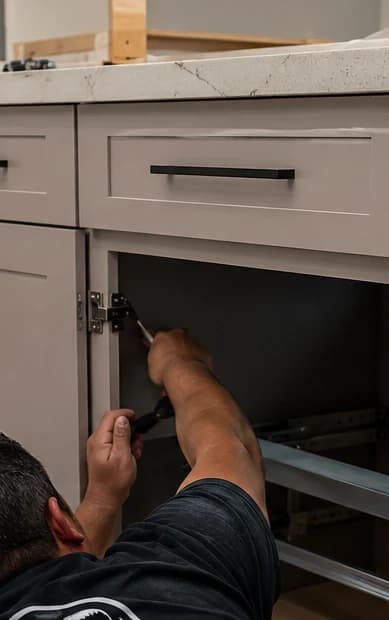

Installation planning
Fit, level, appliance openings, panels, and template readiness are checked before finishes depend on the cabinets.
Kitchen cabinet installation requires more than setting boxes against a wall. Cabinets need to be aligned, leveled, secured, adjusted, and coordinated with the finished kitchen layout. Before installation, wall preparation, layout verification, floors, appliance openings, plumbing points, and electrical locations should be reviewed so the cabinets fit the real conditions of the home.
One cabinet install has to land correctly before countertops, backsplash, and appliances follow.
Cabinets aligned, leveled, secured, and adjusted
Walls, floors, ceilings, soffits, and flooring checked
Sink, dishwasher, refrigerator, range, and hood verified
Plumbing, outlets, switches, and lighting coordinated
Fillers, panels, toe kicks, crown, and trim reviewed
Bases prepared for countertop and backsplash sequencing

Cabinet replacement usually means removing the existing cabinets and installing new cabinets in the same general footprint. A full kitchen remodel is broader and may include demolition, layout changes, new cabinets, countertops, backsplash, flooring, lighting, plumbing, electrical, appliance relocation, drywall repair, ventilation, permits, inspections, and final punch-list work. This page stays focused on cabinets; full kitchen remodel intent belongs on the dedicated kitchen remodel page.

Same-footprint cabinet scope
Cabinet replacement focuses on removing existing cabinets and installing new cabinet boxes, doors, drawers, panels, trim, and hardware when the room layout already functions.
The current sink, range, and refrigerator locations are staying
The walls and floors are in workable condition
The cabinet boxes are failing, outdated, damaged, or inefficient
The project includes new countertops and backsplash
The budget does not justify a full layout reconfiguration
The deciding factor is not the cabinet order. It is what the cabinets force the rest of the kitchen to do.
Coordinated kitchen scope
A full kitchen remodel in Las Vegas is the better fit when cabinets depend on new workflow, utility moves, appliances, walls, flooring, lighting, permits, or a larger build sequence.
Sink, range, refrigerator, or island locations change
Electrical, lighting, plumbing, or gas work is needed
Walls, soffits, pantry areas, or openings are changing
The kitchen needs a different daily workflow
Permit review or inspection sequencing may be required
Cabinet boxes, appliance clearances, walls, floors, and countertop support decide whether replacement is really simple.
Plumbing, electrical, gas, ventilation, lighting, flooring, walls, and permits can turn cabinet work into remodel scope.
Cabinets, countertops, backsplash, hardware, panels, fillers, and adjustments need the right field sequence.
Big Horn reviews the real field conditions before recommending cabinet replacement, refacing, semi-custom cabinets, custom cabinets, or a full kitchen remodel path.
Choosing the right cabinet option depends on more than style. The existing layout, cabinet box condition, countertop plan, appliance sizes, wall conditions, storage goals, timeline, and budget all affect which approach makes sense.
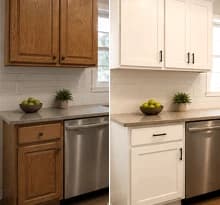
Solid cabinet boxes, working layout, cosmetic update
Low to moderate Complexity
Main advantage
Lower disruption than full replacement
Main limitation
Won't fix layout, storage, or bad boxes
When we recommend it
When the existing cabinet boxes are structurally sound, the countertops are staying, and the homeowner mainly wants a new door style, finish, or hardware.
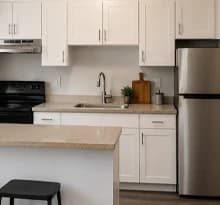
Simple layouts, rental properties, budget-focused updates
Moderate Complexity
Main advantage
Faster and more cost-controlled
Main limitation
Limited sizes, finishes, and storage options
When we recommend it
When the layout is straightforward, standard sizes work, and the project does not require heavy customization.
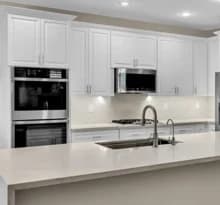
Better finish options and storage without going fully custom
Moderate to high Complexity
Main advantage
Balances look, function, time, and cost
Main limitation
Some specialty details may not be available
When we recommend it
When the kitchen needs upgraded storage and design flexibility, but a fully custom cabinet package is not necessary.
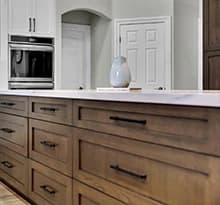
Luxury kitchens, unusual layouts, islands, panels, and specialty inserts
High Complexity
Main advantage
Maximum flexibility for fit, storage, and finish
Main limitation
Higher cost, longer planning, longer lead time
When we recommend it
When the kitchen needs exact sizing, custom storage, appliance integration, a large island, premium finishes, or a layout standard systems cannot solve.
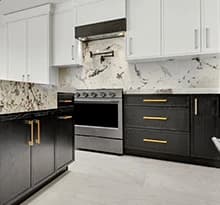
Some cabinet projects are no longer cabinet-only once they affect the kitchen layout, utilities, flooring, lighting, walls, appliances, or permit path.
High Complexity
Main advantage
Kitchen planned as one coordinated scope
Main limitation
Needs more permits, trades, and time
When we recommend it
Choose the full kitchen remodel page when the sink, range, refrigerator, or island is moving; electrical, plumbing, gas, or ventilation work is required; walls, soffits, openings, or flooring transitions are changing; or the project needs a new kitchen workflow, not only new cabinets.
A cabinet-only project can be the right choice when the existing layout already works. A layout-changing kitchen remodel becomes the better option when the cabinet layout is not the real problem or when the project depends on trade work beyond cabinet installation.

Custom, semi-custom, stock, prefab, and refacing options all have a place. The right choice depends on exact field dimensions, storage priorities, lead time, budget, finish expectations, and whether the cabinet project is isolated or tied to a larger remodel.
See a documented Cantabria example of sample-matched custom cabinet fabrication based on a physical prefab door sample.
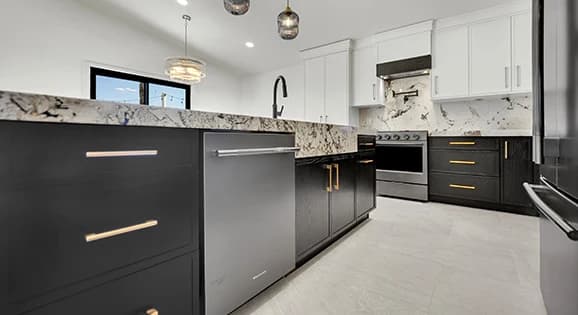
Custom cabinets are built around exact measurements, storage goals, appliance needs, island details, finished panels, specialty inserts, and finish expectations. They make sense when standard systems cannot solve the layout or design intent.
Custom cabinets may be a strong fit when:
The kitchen has unusual dimensions or a custom island
Appliance panels or a custom hood surround are needed
Tall pantry, trash pullouts, or tray dividers matter
The homeowner wants control over sizes, finish, and door style
Premium finish expectations justify longer planning
The advantage is flexibility. The tradeoff is usually cost, lead time, and the need for tighter planning before construction starts.
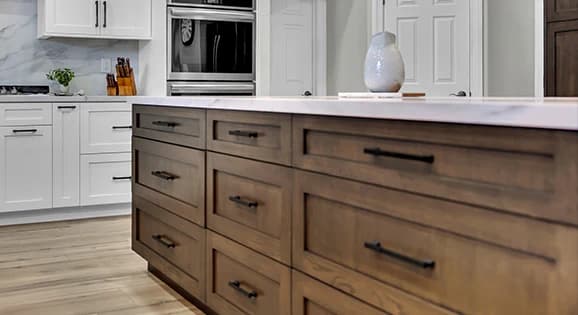
Semi-custom cabinets add more flexibility than stock cabinets while keeping cost and lead time more predictable than fully custom work. They can include door styles, finishes, size options, storage accessories, and layout upgrades.
Semi-custom cabinets may be a good fit when:
The kitchen layout is mostly defined
The homeowner wants upgraded storage and finish options
Lead time matters
Budget control is important
The project needs a balance between design flexibility and cost
The kitchen does not require unusual custom fabrication
For many remodels, semi-custom cabinetry provides the best mix of appearance, function, cost control, and schedule predictability.
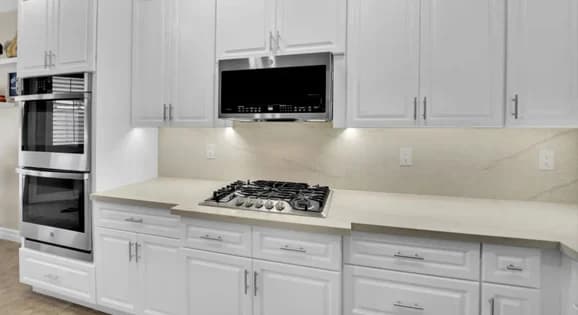
Stock or prefab cabinets can work for simpler kitchen updates, rental properties, budget-conscious remodels, or layouts that fit standard sizes. They are faster to source, but offer less flexibility with sizing, finishes, and storage.
Stock or prefab cabinets may be a good fit when:
The layout is simple
Standard cabinet sizes work
The project has a tighter budget
The homeowner wants a faster upgrade
Custom storage is not required
The remodel does not involve major layout changes
Lower cabinet cost can disappear quickly if fillers, appliance openings, countertop conditions, or wall issues are not planned correctly.
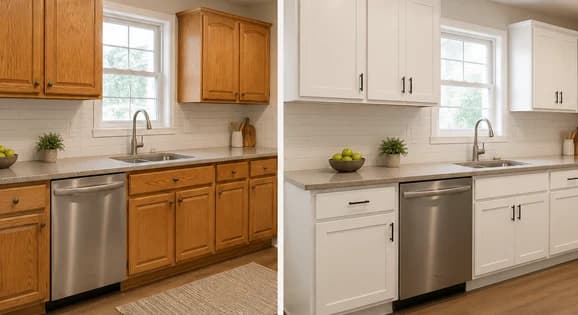
Cabinet refacing keeps existing boxes and updates visible surfaces like doors, drawer fronts, panels, veneer, and hardware. It can refresh the kitchen, but only works when boxes are sound and the current layout already functions.
Cabinet refacing may be a good fit when:
The cabinet boxes are structurally sound
The layout works
The homeowner wants a cosmetic update
The countertops are staying
The budget is limited
No plumbing, electrical, or appliance layout changes are needed
Refacing can improve appearance, but it does not solve damaged boxes, poor storage, appliance conflicts, or layout problems.
Cabinet refacing means keeping the existing cabinet boxes and updating the visible exterior surfaces, such as doors, drawer fronts, veneer, panels, and hardware. Cabinet replacement means removing the existing cabinets and installing new cabinet boxes, doors, drawers, panels, and trim.
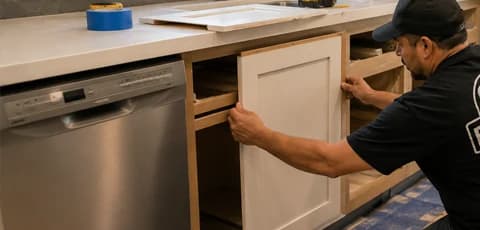
Keep the boxes
Refacing may make sense when the boxes are sound, the layout works, the homeowner wants a cosmetic update, the countertops are staying, and the project does not involve plumbing, electrical, or appliance layout changes.
Cabinet boxes are solid and structurally sound
The existing cabinet layout already works
The homeowner wants a cosmetic surface update
Existing countertops are staying in place
Budget control matters more than layout changes
No plumbing, electrical, or appliance locations move
Decision Point
Refacing improves appearance. Replacement gives more control over storage, function, fit, and long-term value.
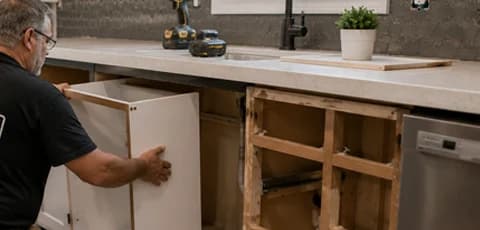
Replace the system
Replacement is usually better when the boxes are damaged or poorly built, the layout does not work, storage needs are changing, new countertops are being installed, or appliances are changing size or location.
Cabinet boxes are damaged, weak, or poorly built
The current layout creates daily workflow problems
Storage zones or drawer function need to change
New countertops need level, secure cabinet boxes
Appliance sizes, clearances, or locations are changing
Flooring, backsplash, lighting, or utilities are changing
Cabinet problems are often created before installation ever starts. If cabinets are ordered before appliances, sink, walls, flooring, lighting, and countertop plans are confirmed, the project can run into delays, fit issues, missing parts, or expensive field changes.
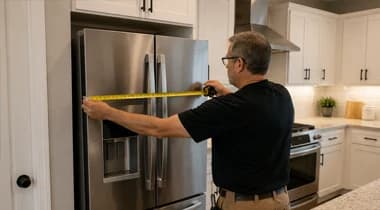
We confirm refrigerator, range, cooktop, wall oven, microwave, dishwasher, hood, hinge clearance, handle depth, and specialty appliance dimensions before the cabinet plan is finalized.
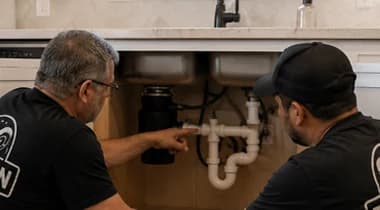
We verify sink type, sink base size, dishwasher location, disposal needs, faucet placement, water lines, drain locations, shutoffs, and any plumbing moves before ordering.
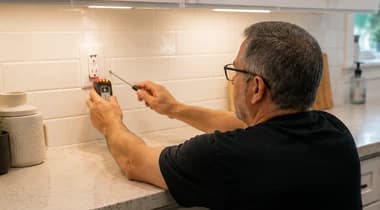
Outlets, switches, appliance outlets, island power, under-cabinet lighting, range circuits, and lighting changes need to be coordinated before cabinets and backsplash are installed.
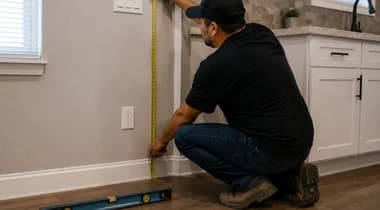
We check wall dimensions, out-of-square corners, floor level, ceiling height, soffits, finished flooring height, crown, trim, and exposed cabinet end conditions during field measurement.
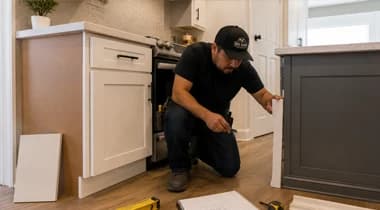
Filler strips, finished end panels, appliance panels, toe kicks, crown, light rail, island backs, and trim transitions are checked against the real kitchen layout before final installation.
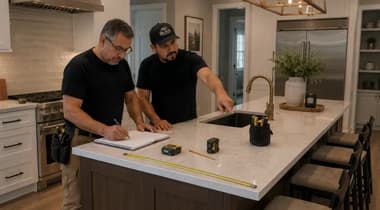
Base cabinets and island cabinets are planned around overhangs, seating depth, slab support, sink placement, dishwasher location, waterfall edges, and walking clearances.
A cabinet estimate should make the field work, cabinet package, trade coordination, exclusions, and owner responsibilities clear before ordering or installation begins.
Plan and measurements
Cabinet layout review
Field measurements
Owner-supplied cabinet responsibilities
Removal and assembly
Existing cabinet removal, if included
Cabinet assembly, if applicable
Disposal and exclusions
Installation details
Setting, leveling, and fastening boxes
Fillers, panels, toe kicks, and trim
Crown, hardware, and final adjustments
Kitchen coordination
Appliance opening verification
Sink and plumbing verification
Countertop, backsplash and electrical
Before cabinets are ordered, a quick field review can clarify appliance openings, utility locations, trim details, and the finish sequence that affects the whole kitchen.
A cabinet installation can look simple from the outside, but small planning mistakes can affect the entire kitchen. Big Horn Remodeling looks for these issues early so they can be handled before cabinets, countertops, backsplash, and appliances are installed.
We verify width, height, depth, hinges, handles, water lines, and panels before ordering.
Flooring, cabinet height, and countertop sequence are checked for access.
Door swings, drawer pulls, handles, corners, and traffic paths are tested for daily use.
Floors, walls, corners, fillers, and adjustment needs are checked before install.
Overhangs, walkways, dishwasher access, sink location, and doors are tested.
Farmhouse, workstation, undermount, and specialty sinks are matched to base size.
Panels, uneven bases, island details, and late changes are handled before templating.
The cabinet package is checked so small missing parts do not stall the finish.
Electrical locations are reviewed so devices stay accessible.
Range, hood, microwave, uppers, backsplash, and lighting are centered together.
Cabinets affect countertop templating, backsplash termination, upper cabinet height, outlets, range hood alignment, island seating, appliance panels, slab support, and the daily workflow of the kitchen. These details need to be planned together before the cabinet layout is locked.
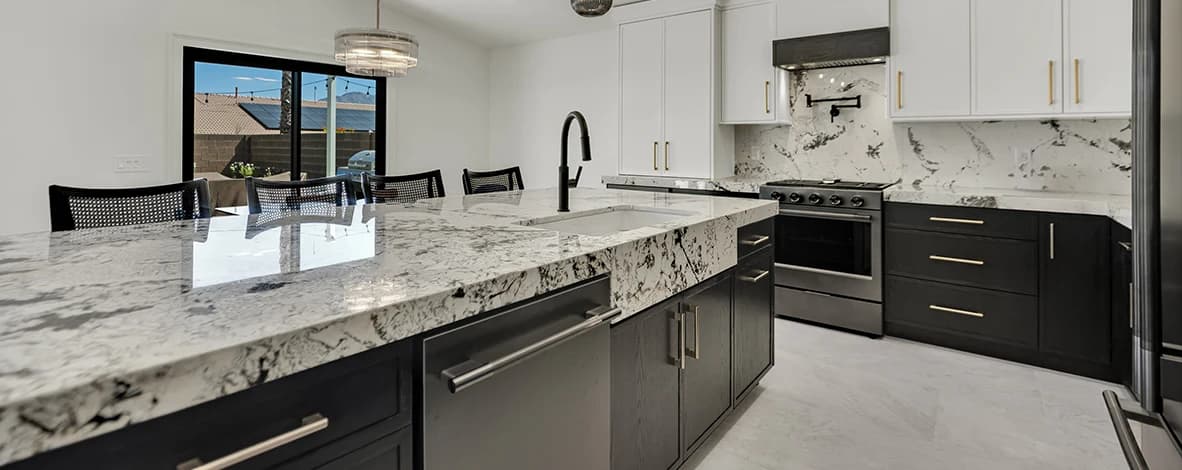
Countertop templating happens after base cabinets are installed. The layout has to account for overhangs, island seating, sink base width, dishwasher position, cooktop or range location, waterfall edges, slab seams, finished panels, appliance panels, and support for quartz or stone surfaces.
Backsplash layout depends on the cabinet plan, countertop thickness, outlets, windows, range hood, wall conditions, finished edges, upper cabinet height, full-height splash areas, window returns, open shelving, tile edge locations, side panels, lighting, and under-cabinet wiring before tile is set.
Good cabinets should make the kitchen easier to use every day. We look at prep space near the sink and range, drawer storage near cooking zones, trash pullouts near the sink or island, pantry access, appliance clearances, island seating, traffic flow, and deep drawers for pots, pans, trays, and daily tools.
For kitchen remodels that include stone or quartz countertops, we coordinate cabinet installation and countertop templating so the finished surfaces line up correctly.
If the cabinets, counters, backsplash, and appliances need to work together, we can review the sequence before one finish creates a problem for the next.
Cabinet door style, finish, and hardware affect the entire kitchen. The right profile should match the home, the finish, the hardware, cleaning expectations, and the remodel budget.

Shaker style
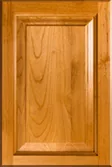
Slim shaker

Slab style
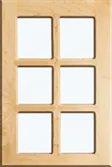
Raised panel
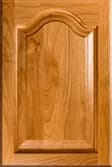
Beaded panel

Inset style

Transitional

Modern flat

More styles
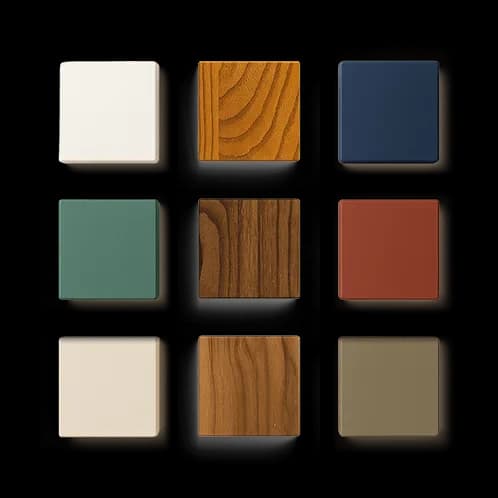
Painted cabinets, stained cabinets, natural wood, conversion varnish, catalyzed finishes, matte sheens, and satin sheens all perform differently under daily kitchen use. Cooking activity, grease exposure, cleaning frequency, lighting, hardware, flooring, countertop material, backsplash selection, and desired maintenance level should all be considered.
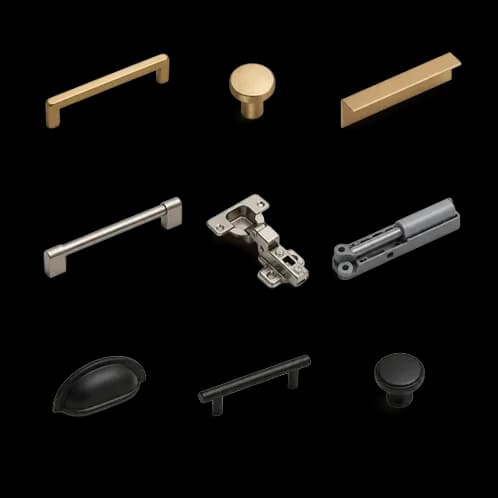
Pulls, knobs, edge pulls, appliance pulls, and soft-close hardware should be selected with the cabinet door style and drawer size in mind. Pull length, knob placement, drawer width, finger clearance, swing direction, finish coordination, and cleaning expectations all affect whether the final cabinet package feels finished or uncomfortable to use.
Cabinets are often one of the largest line items in a kitchen project. That is why cabinet planning should happen early, before demolition and before countertop selections are finalized.
Budget levers
The cabinet number changes when material, construction, storage, finish, labor, and prep work are all counted together.
Stock, semi-custom, or custom cabinet type
Paint-grade vs stain-grade material
Door style, box build, drawers, and soft-close
Pullouts, pantry units, accessories, and islands
End panels, trim, toe kicks, demo, and labor
Schedule pressure
Cabinet schedules depend on field dimensions, design revisions, order lead times, delivery, installation conditions, and finish coordination.
Field measurements and design revisions
Door style, finish selection, order lead time, and delivery timing
Damage, missing parts, wall and floor preparation, and installation time
Countertop template scheduling, fabrication, backsplash, hardware, and final adjustments
Scope review
We review utility, framing, opening, and layout triggers before cabinets are ordered so permit needs are clear.
Moving a sink, dishwasher, gas range, hood duct, windows, doors, walls, or openings
Adding or relocating outlets, lighting circuits, island power, or appliance circuits
Correcting hidden plumbing or electrical work discovered during cabinet removal
Cabinet replacement cost depends on layout, linear footage, cabinet type, removal, wall and floor conditions, panels, fillers, trim, hardware, and countertop coordination.
If electrical, plumbing, appliance relocation, walls, or new layout work are included, the project should be reviewed beyond a simple cabinet install. For cabinet-specific pricing factors, review our kitchen cabinet cost in Las Vegas.
Stock / prefab
Usually the fastest and most budget-controlled path when standard sizes fit the room.
Semi-custom
Adds better sizing, finish choices, and storage options while keeping planning more predictable.
Custom
Best for unusual dimensions, luxury appliances, hidden storage, panels, and detailed finishes.
Cabinet timelines depend on ordering, delivery, field conditions, installation details, and whether countertops are being replaced. See our kitchen cabinet installation timeline guide for the full schedule breakdown.
Field verification and layout review happen before ordering.
Available stock or prefab cabinets may move faster.
Semi-custom and custom orders usually need longer production.
Install time depends on cabinet count, fillers, panels, trim, hardware, islands, walls, and floors.
Countertop templating usually happens after base cabinets are installed.
Big Horn Remodeling reviews cabinet projects in context, identifies permit triggers before work starts, and coordinates multiple trades when cabinet work touches a larger construction scope.
Requirements vary by address, jurisdiction, and actual scope. This section is general guidance, not legal advice.
The right cabinet plan should make cost, schedule, and permit triggers easier to understand before work begins, not after cabinets are already on order.
Homes throughout the Las Vegas Valley vary widely. A cabinet plan that works in a newer Summerlin home may not fit the same way in an older Las Vegas property, a Henderson tract home, a Centennial Hills kitchen, a condo, or a custom residence.
Big Horn Remodeling provides kitchen cabinet planning and installation for homeowners in Las Vegas, Summerlin, Henderson, North Las Vegas, Centennial Hills, Spring Valley, Enterprise, and nearby Clark County communities.
HOA rules, local permit paths, and address reviews can affect cabinet timing before ordering.
Floor height, slab conditions, and room transitions affect cabinet level, toe kicks, and appliance fit.
Older plumbing, electrical, soffits, wall conditions, and prior remodels can change scope after demo.
Refrigerator openings, hood alignment, ranges, island seating, and clearances need field checks.
Licensed Nevada B-2 GC
A cabinet shop may be able to install cabinets. As a licensed general contractor, we coordinate how cabinets connect to countertops, backsplash, plumbing, electrical, flooring, lighting, drywall, appliances, permit review, trade sequencing, final walkthrough, and punch-list completion.
Our cabinet process is designed to prevent problems before they appear in the field. Measurements, appliance specs, permit triggers, cabinet package details, and finish sequencing are reviewed before cabinets are ordered or demolition begins.
1We review what should change, what should stay, and whether the project is cabinet-only, cabinet replacement, or part of a full kitchen remodel.
2We verify wall dimensions, appliance openings, ceilings, floors, plumbing, electrical devices, and layout constraints that affect cabinet fit.
3Cabinet type, layout, door style, finish direction, storage needs, island layout, pantry storage, panels, fillers, and trim are defined.
4If plumbing, electrical, gas, ventilation, wall changes, or hidden-system work are involved, we review the permit path before work starts.
5Existing cabinets are removed as needed, then walls, floors, backing, electrical, plumbing, and drywall conditions are reviewed.
6Cabinets are set, leveled, secured, adjusted, and prepared for countertops, hardware, trim, panels, and finish details with careful final checks.
7After base cabinets are installed, countertop templating, fabrication, backsplash, hardware, fixtures, and finish work follow the right sequence.
8Door and drawer alignment, hardware, panels, trim, toe kicks, fillers, finish details, and punch-list items are reviewed before closeout.
Start with a cabinet-focused walkthrough before anything is ordered. We review appliance specs, field measurements, cabinet package details, surfaces, and permit triggers so the plan is clear before demolition or installation begins.
Cabinet work often touches several connected scopes. These are the cabinet-specific services Big Horn Remodeling can review during the same consultation.

Cabinet installation
Cabinet replacement
Custom cabinets
Semi-custom cabinets
Stock and prefab cabinets
Cabinet refacing
Cabinet layout planning
Kitchen island cabinets
Pantry cabinets
Cabinet hardware installation
Cabinet removal
Cabinets and countertops
Cabinets and backsplash
Kitchen cabinet planning
Need help choosing?
Cabinet planning guides for Las Vegas homeowners comparing cabinet cost, cabinet type, replacement scope, installation details, countertop coordination, and when cabinet work becomes a larger kitchen remodel.
Kitchen Cabinet Cost / Published June 25, 2026
Learn cabinet-only pricing for stock, semi-custom, and custom kitchen cabinets in Las Vegas, including installed cabinet price ranges and what is separate from a full remodel.
Kitchen Cabinet Timeline / Published June 25, 2026
Learn how long kitchen cabinet installation takes in Las Vegas, including field measurements, ordering, delivery, room readiness, installation days, adjustments, and countertop-template handoff.
Still have questions about your project? Click the button to get a free consultation and our team will help you with scope, timeline, and next steps.