Contact Us and Get a Free EstimateFree Estimate Today!

Share your details and our team will contact you shortly with a free consultation.
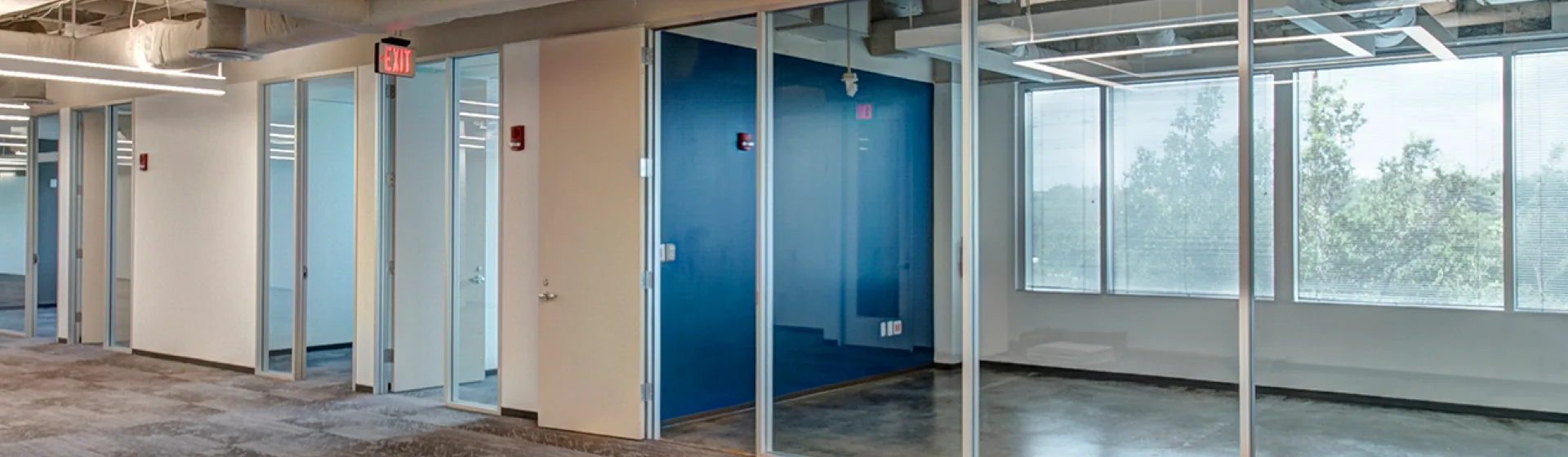
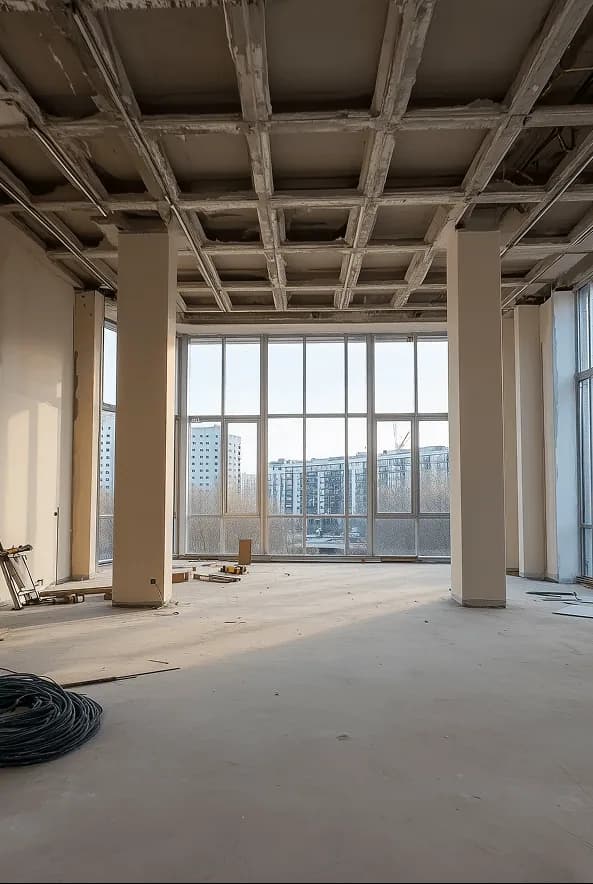
Tenant improvements in Las Vegas require more than cosmetic planning. Across Summerlin, Henderson, Spring Valley, Enterprise, and Clark County, commercial spaces have different constraints: HVAC and electrical capacity, plumbing access, fire-life-safety, ADA clearance, and jurisdiction-specific permitting for each occupancy type. We help owners and tenants plan around existing conditions with clarity on risk and budget.
Share your details and our team will contact you shortly with a free consultation.
Big Horn Remodeling approaches TI projects with field validation, confirming existing conditions and target use before design scope is finalized so tenants and owners can make decisions based on constructability, schedule, and compliance. Whether the project is a retail fit-out, office reconfiguration, medical tenant build, or service-space conversion, we coordinate layout planning, permit documentation, and trade sequencing under one managed process. That coordination is critical in Las Vegas-area TI work where electrical loads, mechanical balancing, restroom counts, and exit requirements can affect both timeline and budget. Our team aligns permit submittals, plan revisions, inspections, and milestone execution to reduce stalled work and prevent costly rework after rough-in. We also collaborate with landlords, property managers, architects, and specialty trades early so field conditions, lead times, and code obligations are addressed before they become change orders. The result is a tenant improvement workflow built for real operating pressure: clear scope, transparent communication, predictable sequencing, and documented compliance from demo to final sign-off. For businesses comparing TI contractors, the difference is straightforward: we deliver spaces that open on schedule, pass inspection, and perform reliably in daily commercial use.
146%
Average TIA Cost increase since 2010
+900
Contractor complaints about poor TIA services
$144
Average TIA Cost per square foot with us
$161
Average TIA Cost from our competitors
Trusted By
Clients
Competitive
Prices
Permits
Handled
Reasonable Rates
Fair pricing, clear scope, no inflated markups. Real value for every dollar.




Recognized Las Vegas tenant improvement contractor. Licensed, bonded, insured, and locally operated.
Tenant improvements should solve business problems, not just refresh finishes. Big Horn Remodeling plans each TI scope around operational function, code compliance, and opening deadlines. We coordinate owners, tenants, and property stakeholders so scope decisions are documented early and field execution stays predictable.
Core components of tenant improvement construction:
Design and Layout Adjustments: We map circulation, equipment clearances, storage, and customer flow so the finished space supports real operations.
Infrastructure and MEP Upgrades: Electrical, plumbing, and HVAC scope is coordinated early so each system meets safety and performance requirements.
Permit and Inspection Coordination: We prepare permit documentation, manage revisions, and schedule inspections to keep your TI approved.
Big Horn Remodeling delivers tenant improvement construction across every major commercial use type in the Las Vegas valley. Each TI scope is built around the tenant's operational needs, the lease work-letter requirements, the base building infrastructure, and the applicable jurisdiction's permit and inspection process.
For leased office projects, this page covers work letters, allowances, landlord approvals and base-building responsibilities.
See Office Remodeling & Renovations for office layout, systems and occupied-work planning.
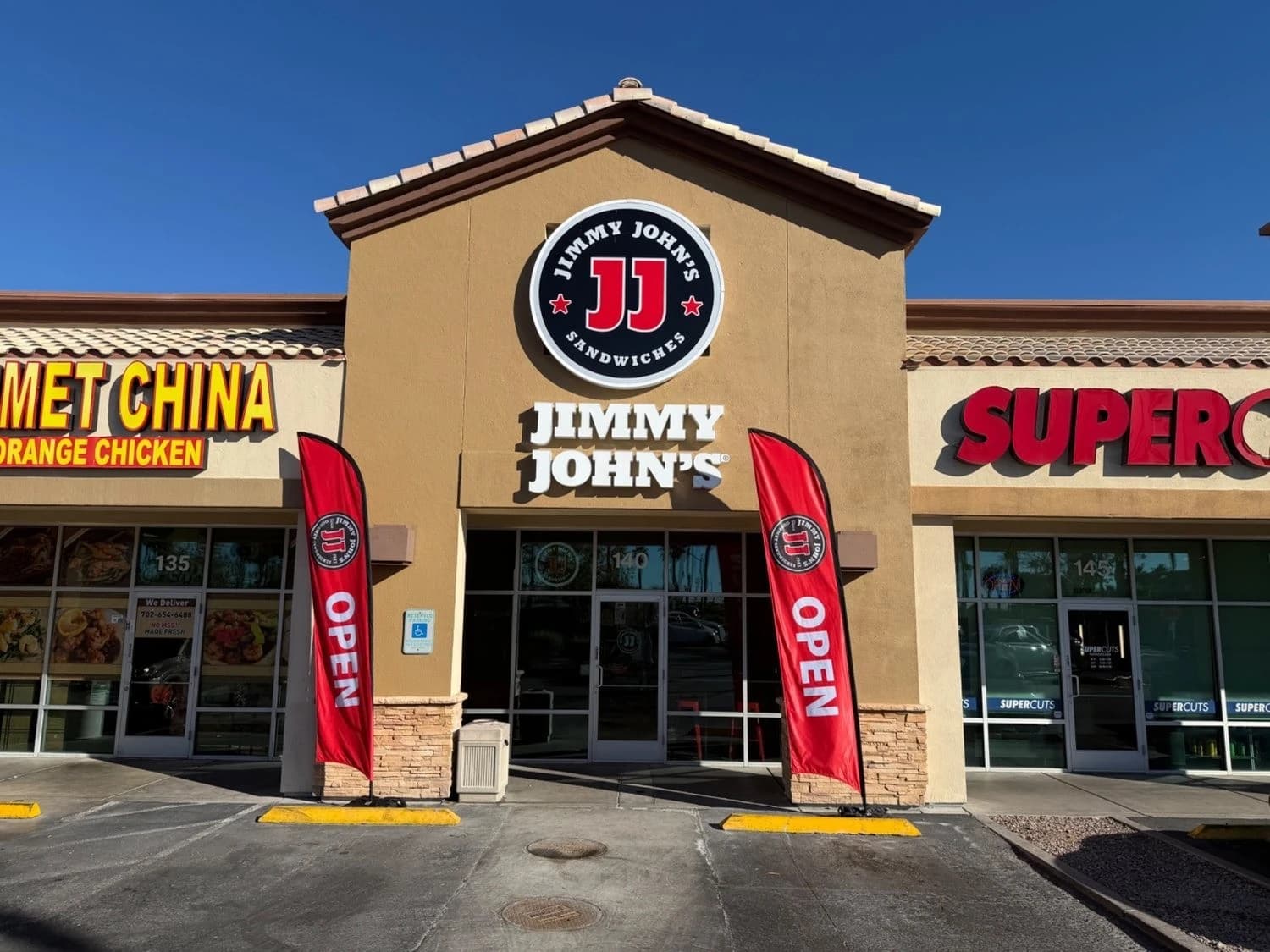
Office Remodeling & RenovationsRetail TI scope includes storefront construction, demising wall work, display fixtures, fitting-room layouts, and point-of-sale electrical planning.
We align customer flow, signage permitting, and finish execution with lease constraints while coordinating approvals with shopping-center landlords and property managers.
Restaurant TIs adapt leased commercial spaces for food service and may involve significantly more MEP and specialty review than ordinary office or retail improvements.
For kitchen systems, hoods, grease waste, health-department coordination and restaurant-specific construction, see our Restaurant & Bar Build Outs service.
Restaurant & Bar Buildout ServicesSpecialty medical TI work includes dedicated power for imaging, operatory plumbing, and ADA-compliant exam rooms and restrooms.
We coordinate lead-lined wall scope when required, front-desk acoustic privacy, ICRA-aware phasing, and compliance reviews with health authorities.
Industrial TI scope covers office buildouts in warehouses, light-industrial floor plans, and dock or roll-up door reconfiguration.
We integrate fire-life-safety systems and code-compliant electrical for equipment while preserving circulation paths and operational continuity during construction.
We deliver TIs for salons, fitness studios, daycare facilities, veterinary clinics, dog training spaces, and personal-service environments.
Each use type has distinct licensing, occupancy, and finish requirements, so we coordinate plan check, permitting, and inspections for clean approvals.
Big Horn Remodeling delivers tenant improvements through a four-phase process designed to compress timeline, reduce change orders, and align landlord, tenant, and contractor expectations from kickoff to closeout. We manage scope, permitting, trade coordination, and field quality as one integrated workflow so your space can open and operate with fewer delays and fewer surprises.
We confirm scope, occupancy needs, and trade sequencing before construction starts so your TI build-out stays controlled.
Our team manages permit submittals, revision responses, and inspection scheduling to keep approvals aligned with field progress.
Electrical, plumbing, and HVAC requirements are coordinated as one system to reduce clashes and avoid late-stage rework.
Milestones are tracked from demolition through final sign-off so stakeholders know what to expect, what is next and when.
Field quality checks verify framing, finishes, and installation details before turnover to protect long-term performance.
Clear pricing, documented changes, and direct communication keep ownership teams informed throughout the project lifecycle.
 1
1We walk the space with the tenant and review the lease work letter, base-building conditions, prior permitted plans on file, and operational requirements. We confirm occupancy classification, flag change-of-use triggers, document MEP capacity, and issue a scope summary with allowances, alternates, and exclusions clearly defined.
2Drawings are prepared or coordinated with the tenant’s architect across floor plan, MEP, fire-life-safety, accessibility, and signage scope. We submit to the correct jurisdiction, respond to plan-check corrections, coordinate fire review, and route SNHD review for food service while specialty submittals run in parallel.
3After permits are issued, demolition begins and trade sequencing is managed through framing, rough MEP, fire sprinkler modifications, T-grid installation, finishes, and trim. Daily project management minimizes field conflicts, and weekly reporting keeps tenant and landlord teams aligned against milestones.
4Final mechanical, electrical, plumbing, building, and fire inspections are scheduled in sequence. CofO or change-of-occupancy approval is issued by the jurisdiction, then we complete punch, deliver closeout documentation including warranties and as-built drawings, and walk the space for formal handoff.
Project timelines vary based on scope, jurisdiction backlog, and material lead times. Click the button to get a fast consultation with our team, confirm the right permit path, and receive clear next steps for your tenant improvement scope.

A significant portion of our commercial TI work starts the same way: a new business is opening, the fire or business license inspection fails because site conditions do not match the plans on file, and the business license is held while the lease keeps running with no income.
Most cases trace back to unpermitted tenant improvements performed by prior tenants: demising walls added or removed without permits, occupancy classifications changed without change-of-use approval, fire-life-safety systems modified without sprinkler permits, and electrical or plumbing scope completed by unlicensed labor.
Our process is direct: we pull a retroactive tenant improvement permit, draft existing-and-proposed drawings, coordinate corrective scope for egress, signage, sprinkler relocation, electrical, and occupancy classification, then re-walk the space with the inspector. In most engagements, business license release is achieved within 4 to 8 weeks.

If your business is currently held in inspection limbo, review our retroactive permits page for the detailed process or click the button to start a fast consultation and a clear recovery plan.

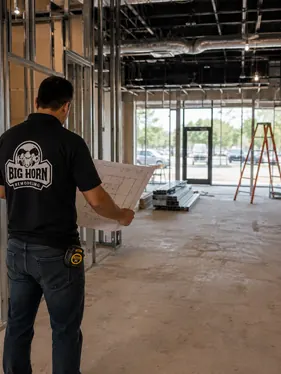

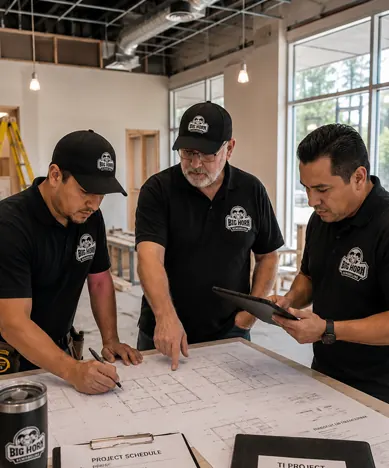

Tenant improvement projects perform better when field leadership and communication stay consistent from kickoff through closeout. Our team tracks scope decisions, permit milestones, trade handoffs, and finish quality so businesses can open on schedule with fewer post-turnover corrections.
Every TI scope includes documented punch-list closeout and inspection tracking. That process keeps landlords, tenants, and project teams aligned through final turnover.
Commercial tenant improvements help businesses optimize space, workflow, and customer experience. Big Horn Remodeling focuses on detailed planning, clear scope documentation, and code-compliant execution. Our team coordinates permits, inspections, and trade sequencing to keep projects moving and reduce costly rework.
Trusted remodeling service

Permit-Verified Scope
Every tenant improvement scope is aligned with jurisdiction requirements before demolition starts, including City of Las Vegas, Clark County, Henderson, and North Las Vegas submittal pathways. We confirm occupancy assumptions, life-safety triggers, and permit documentation requirements early so plan review comments are reduced, inspections stay predictable, and compliance risk does not surface late during closeout.
Licensed Trade Coordination
Plumbing, electrical, and mechanical scopes are assigned to properly licensed Nevada trades with documented sequencing, field supervision, and milestone verification. This prevents trade overlap conflicts, protects MEP integration quality, and keeps tenant improvement construction moving without avoidable rework when electrical loads, HVAC distribution, or restroom plumbing requirements shift during execution.
Schedule Control
Project milestones are structured around permit approval timing, inspection windows, landlord coordination gates, and long-lead material procurement so tenant opening targets remain realistic. We track critical path activities from demolition through rough-in, ceiling closure, finish installation, and final inspection to minimize schedule drift and reduce revenue-impacting delays before business launch.
Clear Change Management
Scope adjustments are documented with written pricing impact, timeline impact, and scope-of-record updates before execution so owners, tenants, and property managers stay aligned. That discipline helps control budget movement, limits change-order disputes, and keeps TI buildout decisions transparent when field conditions require revisions to electrical, framing, finishes, or life-safety elements.
Quality Closeout
Punch-list completion, final walkthroughs, and turnover documentation are completed before handoff so spaces are operational at opening and ready for certificate-of-occupancy milestones. We close out with documented corrections, inspection confirmation, and completion records that support landlords, tenants, and facility teams after move-in.
Inferior remodeling service

Scope Defined Too Late
Many tenant improvement projects begin with incomplete preconstruction coordination, causing redesign pressure during active construction and forcing avoidable scope resets. When occupancy assumptions, trade pathways, and permit requirements are not clarified up front, teams lose time in revision cycles that impact budget, schedule, and inspection readiness.
Unclear Trade Ownership
When responsibility is fragmented across subcontractors without clear ownership, electrical, plumbing, and mechanical scopes frequently overlap or get missed. The result is costly rework, delayed inspections, and field conflicts that compound through ceiling closure, finish installation, and final commissioning in commercial buildout environments.
Permit Delays
Weak permit planning and late documentation can stall plan review, delay inspections, and push opening dates beyond tenant expectations. TI projects often slow down when jurisdiction corrections are discovered after mobilization, especially for fire-life-safety, ADA, and code-sequencing items that should have been resolved preconstruction.
Loose Change-Order Control
Undocumented changes and verbal approvals create budget creep, schedule confusion, and accountability gaps between tenants, landlords, and contractors. Without disciplined change-order controls, TI projects lose cost predictability and can trigger disputes during critical phases like rough-in, finish procurement, and turnover scheduling.
Incomplete Turnover
Without disciplined closeout, businesses often inherit unresolved punch items, incomplete documentation, and lingering deficiencies that disrupt operations after occupancy. Incomplete turnover also weakens confidence in final quality, especially when inspection records and correction logs are not clearly documented for post-opening support.

 BEST
BEST
At Big Horn Remodeling, our core values are customer service and customer satisfaction. Most of our projects come from repeat clients and referrals, reflecting the consistency of our work and communication. Contact our team today to schedule a complimentary consultation for your remodeling project.
No hidden fees, no unexpected costs. Just open communication, honest pricing, and complete integrity in every interaction.
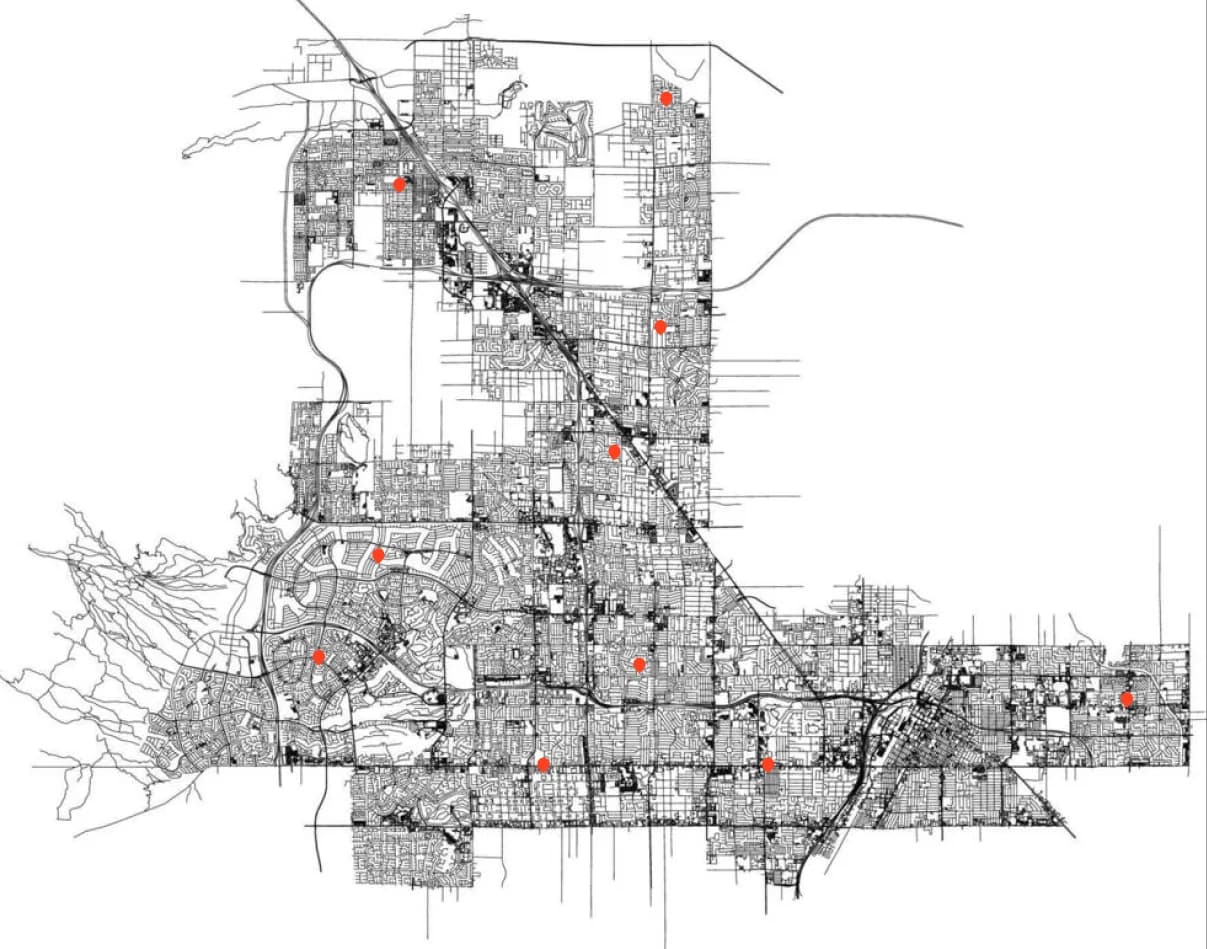
Tenant improvements in the Las Vegas valley are permitted through one of four jurisdictions, determined by the property's address. Big Horn Remodeling pulls TI permits in all four. For tenant improvements involving food service, we also coordinate Southern Nevada Health District plan review. For projects involving fire suppression modifications, we coordinate with the applicable fire department's plan review division.
We handle permits across all four jurisdictions below, including the neighborhoods and ZIP clusters most commonly tied to after-the-fact permit cases.
Covers Downtown Las Vegas, the Arts District, and city-limit portions of Summerlin. Typical ZIP clusters include 89101, 89102, 89106, and 89135. Retroactive permits run through City of Las Vegas Building & Safety and often include investigation fees on unpermitted work.
Covers most unincorporated areas including Paradise, Spring Valley, Enterprise, Centennial Hills, Mountain's Edge, and Southern Highlands. Common ZIPs include 89117, 89118, 89134, 89135, 89139, 89141, 89148, 89149, and 89178.
Covers Anthem, Green Valley, Seven Hills, Inspirada, MacDonald Highlands, and Lake Las Vegas. Common ZIPs include 89002, 89011, 89012, 89014, 89015, 89044, 89052, and 89074. Henderson is typically more permit-friendly because after-the-fact permits do not use penalty fee multipliers.
Covers Aliante and nearby northern valley neighborhoods, plus portions of Centennial and legacy residential tracts. Common ZIPs include 89031, 89032, 89084, and 89086. North Las Vegas often uses a streamlined review path and may allow video inspections for qualifying scopes.
Address determines jurisdiction, not ZIP code. Some ZIPs straddle two jurisdictions. If you call us with the address, we'll confirm in 30 seconds and tell you exactly what's required.
Browse recent tenant improvement case studies from the Big Horn portfolio.
Still have questions about your project? Click the button to get a free consultation and our team will help you with scope, timeline, and next steps.