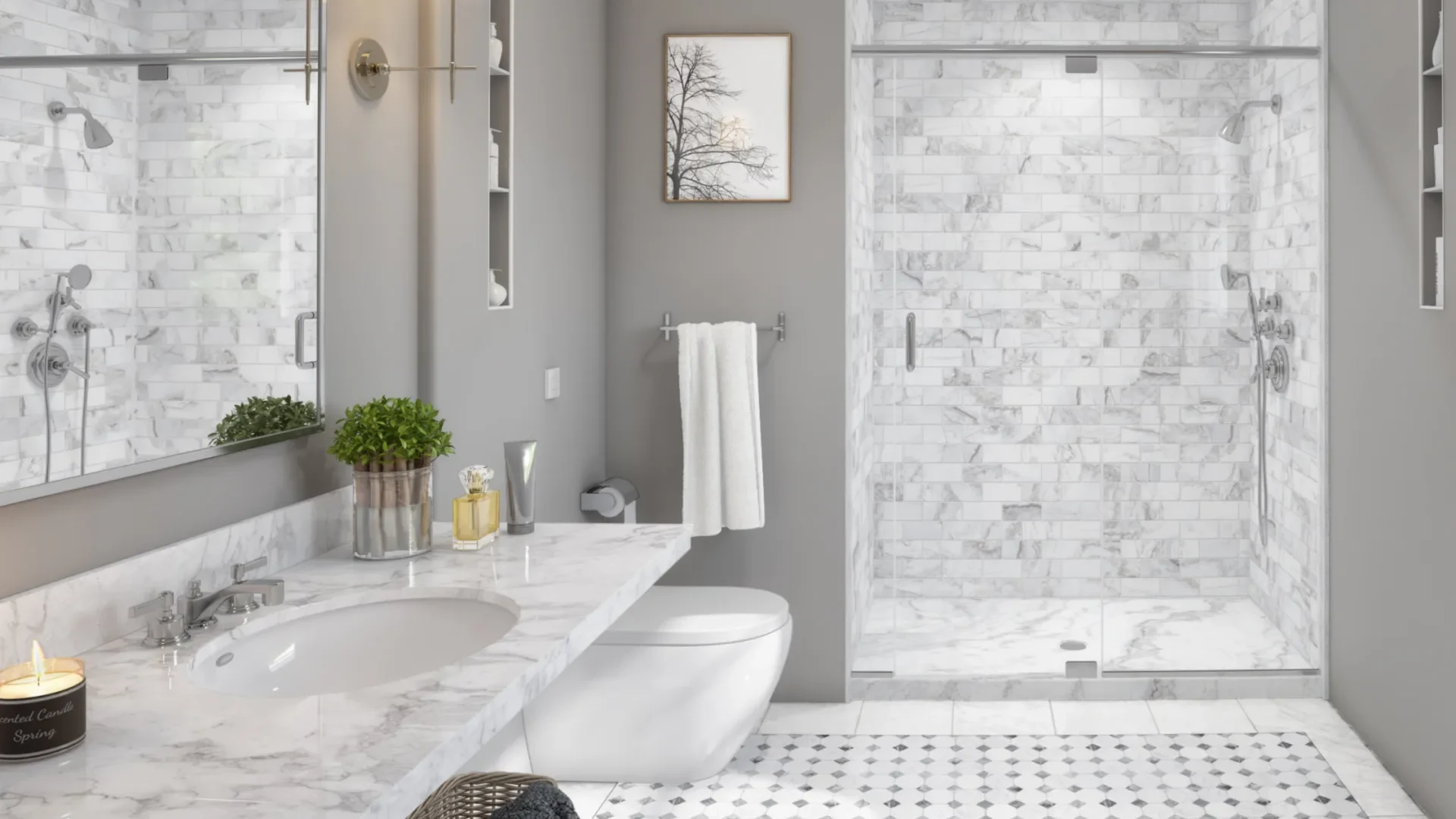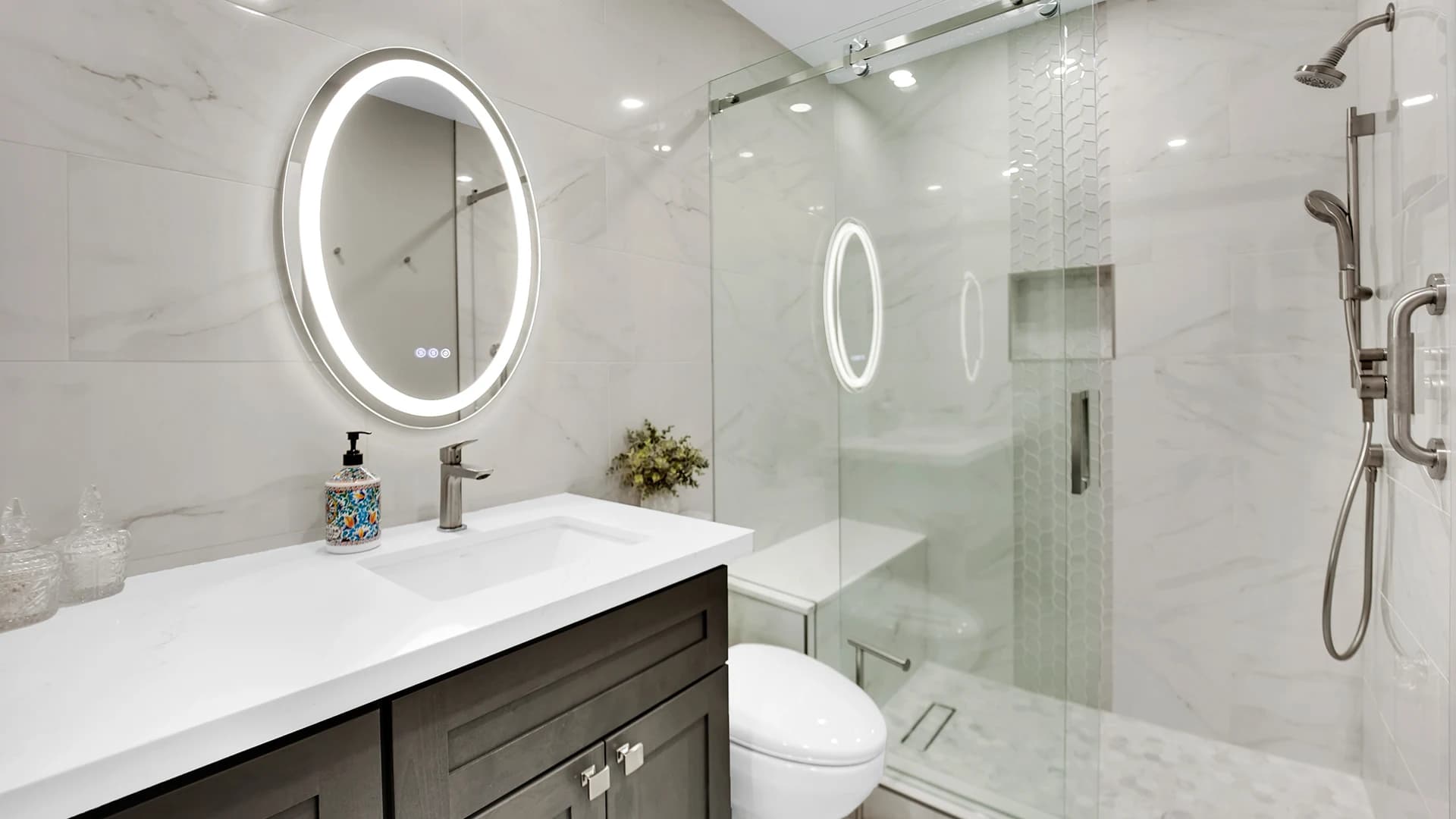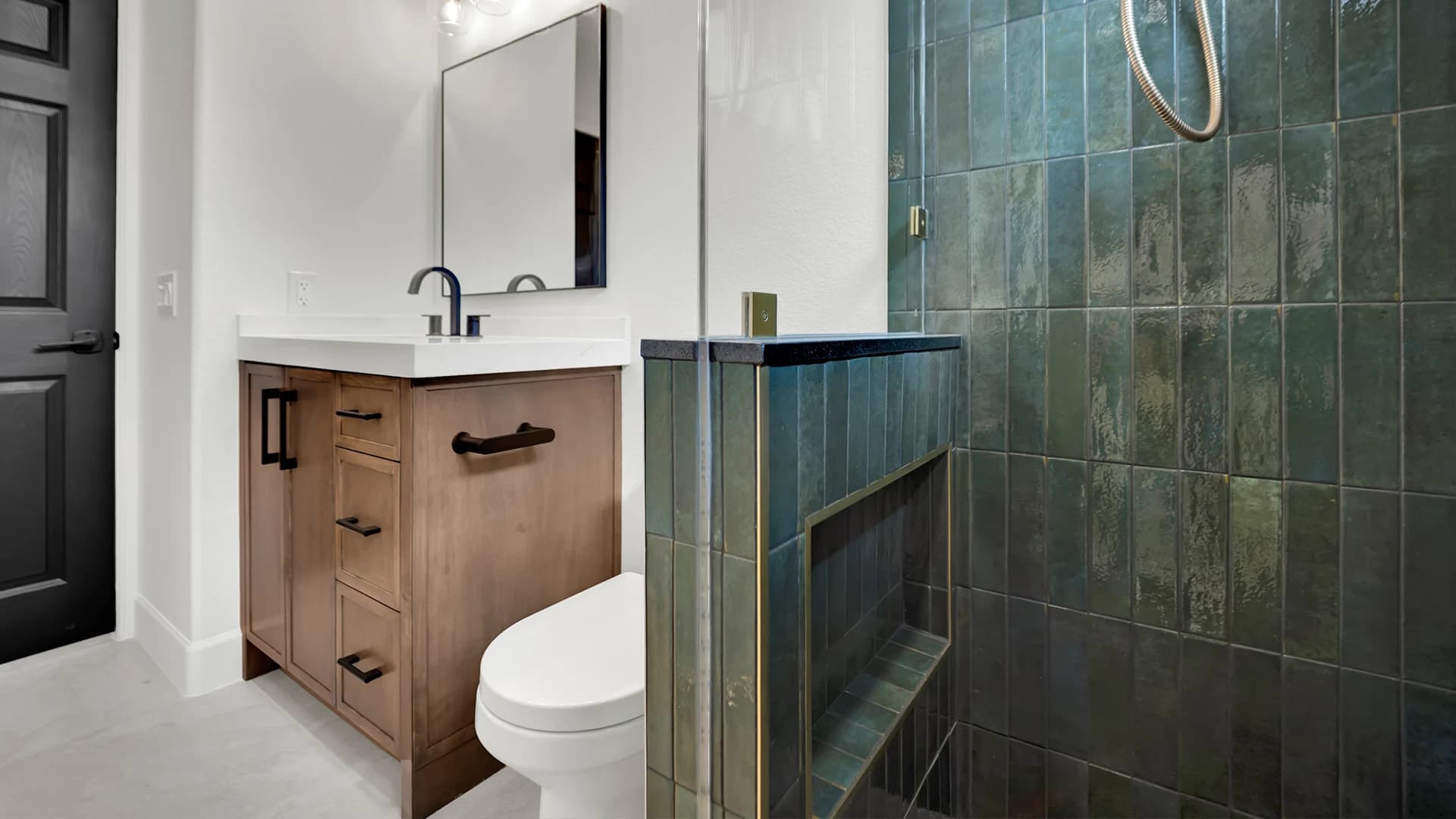

Short answer: A walk-in shower can change how a bathroom feels every day. It can make a smaller bathroom feel more open, make a primary bathroom easier to use, and turn an outdated shower into a cleaner, more durable part of the home. But the best walk-in shower ideas are not only about tile color or glass style. In Las Vegas homes, the details behind the tile matter just as much as the design you see when the project is finished.
At Big Horn Remodeling, we prefer fully tiled custom walk-in showers because they allow the layout, waterproofing, glass, storage, fixtures, and accessibility details to be built around the actual bathroom. Acrylic and fiberglass systems can work for some budget-driven projects, but this guide focuses on custom tiled showers designed for better appearance, better function, and longer-term performance.
If you are planning a bathroom remodeling in Las Vegas project, use these ideas to think through the shower before demolition starts. The right decisions early can prevent awkward glass layouts, poor drainage, cramped entries, weak storage, and waterproofing issues that are expensive to correct later.
This guide is about walk-in shower design decisions, not exact pricing. For pricing ranges, use the bathroom remodel cost guide or the tub-to-shower conversion cost guide. For design, start here before tile, glass, plumbing, and waterproofing decisions become expensive to change.
Walk-In Shower Ideas Planning Snapshot
| Idea | Best for | Planning caveat |
|---|---|---|
| Full-height tile | Modern custom showers and primary bathrooms | Needs flat substrate, planned tile layout, and clean trim details. |
| Frameless or fixed glass | Keeping smaller bathrooms open | Glass layout must be planned before tile and curb details are finalized. |
| Shower niche | Cleaner storage and fewer hanging caddies | Size and location should align with tile layout and spray direction. |
| Floating bench | Comfort, shaving, accessibility, resale appeal | Requires proper support, slope, and waterproofing. |
| Curbless entry | Aging-in-place and high-end design | Slope, drain, slab conditions, and waterproof transitions must be verified early. |
| Linear drain | Large-format tile and modern shower floors | Placement must match slope and water-management plan. |

Planning a walk-in shower remodel?
Call or text Big Horn Remodeling at (702) 799-9902 and ask for Nathan to review your bathroom layout.
Full-Height Tile for a Cleaner Custom Shower
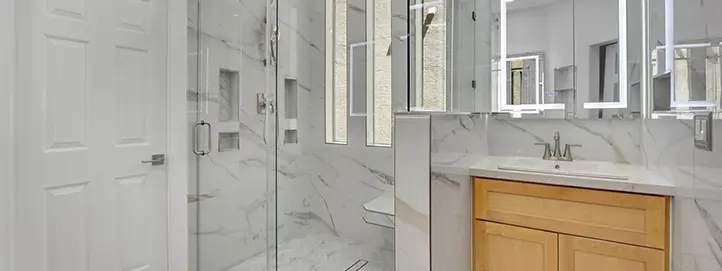
One of the strongest upgrades for a walk-in shower is full-height tile. Instead of stopping tile partway up the wall, full-height tile creates a cleaner visual line and helps the shower feel intentional instead of patched together. This is especially useful in primary bathrooms where the shower is one of the main design features in the room.
Large-format porcelain tile is often a practical choice because it reduces grout lines and gives the shower a more continuous look. Fewer grout lines can also make routine cleaning easier. The important part is not just choosing a large tile; the substrate must be flat, the layout must be planned, and the cuts around the niche, valve, bench, and glass must be controlled before tile installation starts.
Best fit: homeowners who want a modern, durable, custom shower without making the design too busy.
Frameless Glass or a Fixed Glass Panel
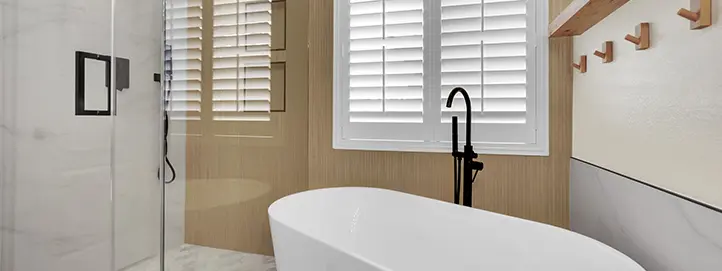
Frameless glass is one of the most requested walk-in shower features because it keeps the bathroom open and lets the tile work show. A fixed glass panel can be even cleaner than a full swinging door when the shower layout allows it. In smaller bathrooms, fixed glass can reduce visual bulk and make the room feel larger.
The glass layout should be planned before tile starts. Wall plumbness, curb or curbless transitions, pony walls, valve placement, and shower head direction all affect whether glass works well. If the shower sprays toward the opening or the entry is too tight, the finished bathroom can look good but function poorly.
Big Horn recommendation
Decide early whether the shower should use a fixed panel, door, pony wall with glass, or a full enclosure. That decision affects framing, blocking, tile edges, curb details, and final measurements.
Best fit: smaller bathrooms, primary bathrooms, and shower layouts where the tile work should stay visible without making the room feel closed in.
A Shower Niche That Lines Up With the Tile
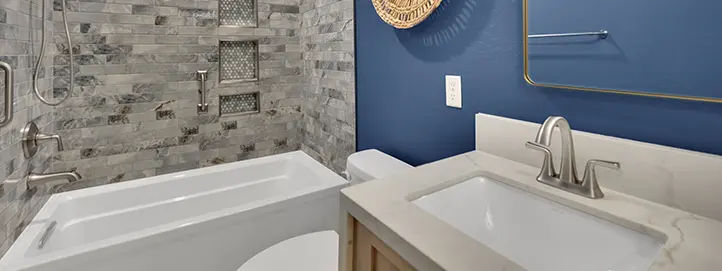
A shower niche is a small detail that can make the entire shower feel more custom. It keeps bottles off the floor and avoids the look of hanging caddies. But a niche should not be added as an afterthought. The size, location, shelf height, waterproofing, and tile layout should be planned together.
A poorly placed niche can interrupt the tile pattern, sit directly in the spray zone, or create awkward sliver cuts around the edges. A properly planned niche feels built into the design. For many Las Vegas bathroom remodels, a vertical niche works well in tight showers, while a wider horizontal niche can look better in a larger primary shower.
Best fit: almost every custom tiled walk-in shower, especially when paired with full-height tile and clean trim details.
Floating Bench Instead of a Bulky Framed Bench
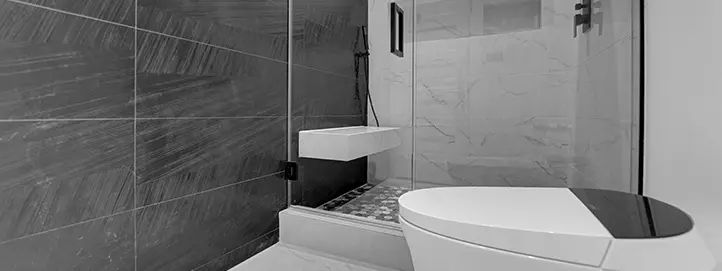
A bench can make a walk-in shower feel more comfortable, more practical, and more high-end. It is useful for shaving, sitting, accessibility, and resale appeal. Big Horn often recommends floating benches when the layout supports them because they look lighter than a bulky framed bench and can help preserve floor space.
Benches require serious waterproofing attention. Any horizontal surface inside a shower must be sloped correctly and tied into the waterproofing system. A bench that looks simple on the surface still needs proper backing, support, slope, membrane continuity, and tile detailing.
Best fit: primary bathrooms, larger guest showers, aging-in-place planning, and homeowners who want comfort without making the shower feel boxed in.
Curbless Entry for Accessibility and a High-End Look
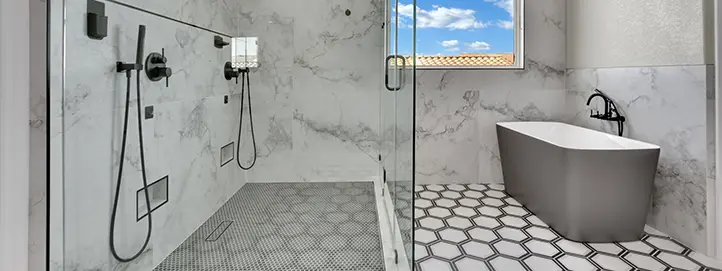
Curbless walk-in showers are popular because they create a smooth transition from the bathroom floor into the shower. They can look high-end, reduce trip hazards, and support accessibility goals. For homeowners thinking long-term, a curbless shower can be one of the most valuable design decisions in a bathroom remodel.
Curbless does not mean simple. The floor needs correct slope, the drain needs to be placed intelligently, and waterproofing must extend through the transition so water does not escape into the bathroom floor assembly. In Las Vegas slab-on-grade homes, curbless planning may require more careful field verification before a contractor promises the final design.
For ADA-informed planning, roll-in shower dimensions, clearances, grab bar placement, controls, and seat requirements should be reviewed against the applicable standard and the homeowner's actual mobility needs. For private homes, the goal is often accessibility-focused design rather than a commercial ADA claim.
Real curbless primary bath example
See a completed North Summerlin curbless primary bath case study with a Honey Amber Onyx shower wall, expanded shower footprint, slab x-ray, and permitted plumbing and electrical work.
Best fit: homeowners thinking long-term about accessibility, aging-in-place, reduced trip hazards, and a high-end bathroom design.
Linear Drain for Modern Tile Layouts
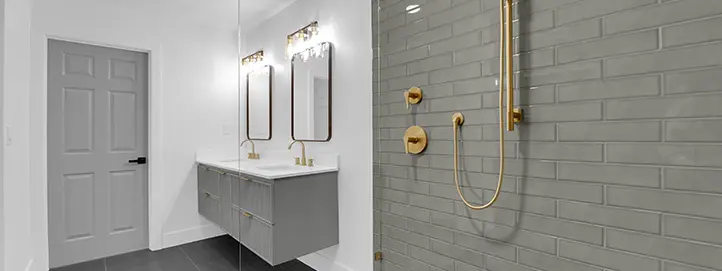
A linear drain can make a walk-in shower look more modern and can work well with larger-format tile. Instead of forcing the floor tile to slope from four directions into a center drain, a linear drain can support cleaner tile lines when the shower is designed correctly.
The drain location matters. Linear drains can be placed at the back wall, entry side, or another planned location depending on slope, waterproofing, and the shower layout. The wrong placement can create pooling, awkward cuts, or water management issues near the opening.
Best fit: curbless showers, modern primary bathrooms, large-format tile, and projects where the shower floor design is planned before rough work begins.
Rain Head Plus Handheld Sprayer
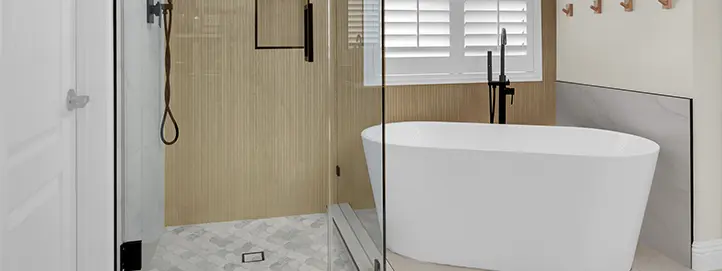
A rain head can make the shower feel more relaxing, but it should not be the only fixture in most walk-in showers. A handheld sprayer adds daily practicality for rinsing the shower walls, cleaning the floor, bathing pets, helping kids, and improving accessibility.
The valve and control layout should be planned around how the shower will actually be used. In some layouts, it makes sense to place the controls where they can be reached without stepping fully into the spray. In others, the priority is keeping the controls aligned with the glass, niche, and bench.
Best fit: homeowners who want a shower that feels upgraded but still works for everyday cleaning and use.
Grab Bars With Blocking Behind the Tile
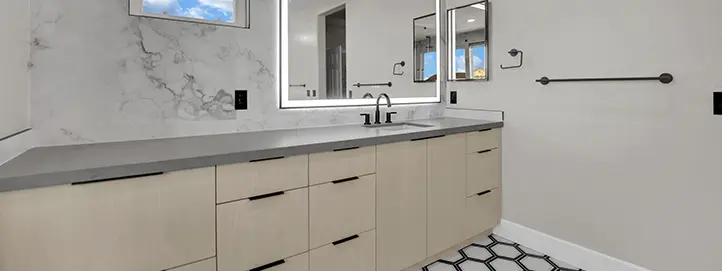
Grab bars do not have to make a shower look institutional. When planned early, they can be placed cleanly and matched with the fixture finish. The key is installing proper backing before the wall is closed. A grab bar should not depend on tile alone.
Even if you do not want grab bars installed immediately, adding blocking during the remodel can make future installation easier. This is especially smart for primary bathrooms, curbless showers, and homes where long-term usability matters.
Best fit: aging-in-place planning, curbless showers, family homes, and any remodel where the walls are already open.
Pony Wall With Glass for Privacy and Openness
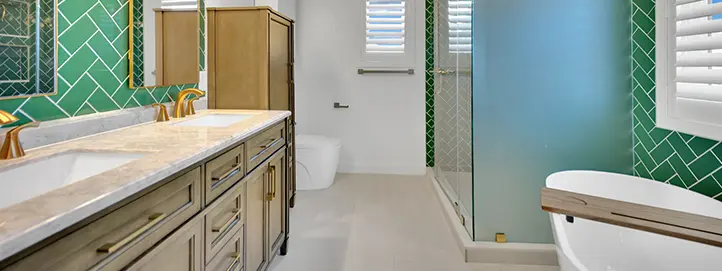
A pony wall can give a walk-in shower more privacy while still keeping the bathroom open with glass above it. This can work well when the toilet is nearby, when the shower faces the vanity, or when the homeowner wants a slightly more enclosed feel without using a full-height wall.
The pony wall must be framed solidly, waterproofed properly, and planned for glass attachment. It also affects tile layout, curb or floor transitions, and the final glass measurements. Done right, it looks intentional. Done poorly, it can feel like a bulky obstruction.
Best fit: bathrooms where privacy matters but a full wall would make the room feel smaller.
LED Niche Lighting or Better Shower Lighting
Lighting is often under-planned in bathroom remodels. A beautiful tiled shower can still feel dark if the light is blocked by the glass layout, ceiling height, or shower position. LED niche lighting can add a custom look, but even a well-placed recessed light over the shower can make a major difference.
Electrical planning should be handled before walls are closed. Lighting, switches, fan location, GFCI protection, and wet-location fixture requirements should be reviewed as part of the remodel scope.
Best fit: larger showers, darker tile selections, primary bathrooms, and homeowners who want a high-end visual detail without overcomplicating the design.
What We Do Not Recommend
Some walk-in shower ideas look good online but create problems in real bathrooms. Big Horn is cautious with any design that ignores waterproofing, slope, glass planning, ventilation, or future maintenance.
- Tile over bare cement board with no bonded waterproofing membrane in wet areas.
- Curbless showers promised without checking slope, drain location, and floor conditions first.
- Tiny mosaic tile everywhere when the homeowner wants low maintenance.
- No plan for glass until after tile is installed.
- Old shower valves buried behind new tile when the wall is already open.
- Niches placed randomly without considering tile layout and waterproofing.
- Benches with flat tops or weak waterproofing at horizontal surfaces.
- Showers with poor ventilation, especially in bathrooms that already show mold or moisture issues.
Las Vegas Problems to Check Before Designing the Shower
Many Las Vegas shower failures come from what was done behind the tile, not the tile itself. Before choosing finishes, a contractor should look for signs of failed shower pans, poor waterproofing, old valves, mold, cracked grout, out-of-plumb walls, bad slope, poor ventilation, and prior work that may not have been built correctly.
One practical check is a shower pan test. The drain is plugged and water is allowed to sit in the pan overnight so leaks or weak points can be found before finish materials cover the assembly. A flood test is not exciting design content, but it is one of the details that separates a pretty shower from a reliable shower.
A walk-in shower should be designed as a system: framing, slope, pan, waterproofing, tile, glass, plumbing, ventilation, lighting, and finish details all need to work together.
Ready to Plan a Custom Walk-In Shower?
If you are thinking about a walk-in shower remodel, Big Horn Remodeling can review your layout, tile goals, glass options, drainage, waterproofing, and accessibility needs before the project gets expensive. Call or text (702) 799-9902 and ask for Nathan to look at your shower remodel scope.
For construction planning, visit our walk-in shower remodeling service. For price ranges, review our bathroom remodel cost in Las Vegas guide. If your project starts with removing a bathtub, review our tub-to-shower conversion cost in Las Vegas guide. You can also browse our remodeling resources.